
Dermatologist treatment for age and liver spots
At Advanced Dermatology, P.C., our expert team understands how bothersome age spots and liver spots can be. We offer safe, effective treatments to help you achieve clearer, healthier-looking skin.
Learn more about what skin conditions cause these spots, how to prevent them, and the best removal options available from our specialists.
What are age spots?
Age spots, also called liver spots, are flat, rounded areas of the skin that range from light brown to black and have sharply defined borders. They commonly occur on the face and the backs of the hands, but can be found on any part of the body.
Age spots are formed by a concentrated increase in pigment in an area of the skin. As their name suggests, they are more common among those who are more advanced in years. They can occur in people of any age, though, including children.
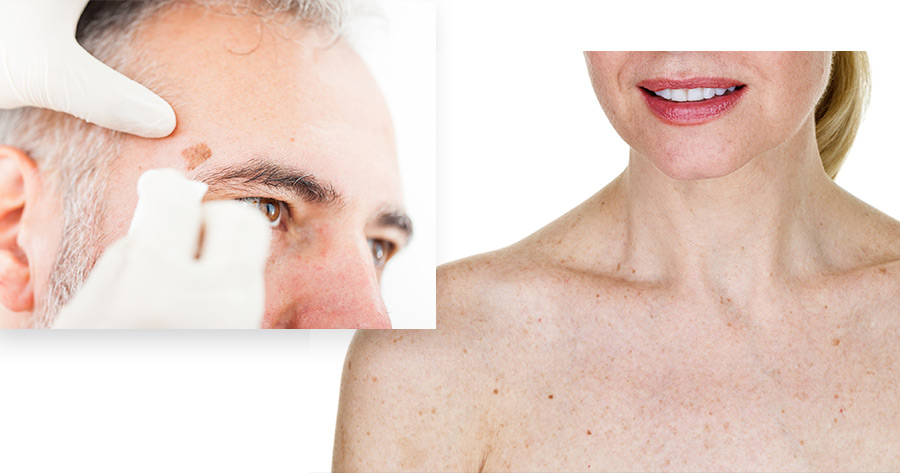
This condition is more prevalent in people who have spent a lot of time in the sun and is mainly caused by exposure to UV rays. This exposure can also come from prolonged use of tanning beds, which have been tied to an increased risk of skin cancer.
Although harmless, this skin condition is sometimes found along with signs of cancer or pre-cancer since both can be the result of spending a lot of time in the sun.
“Age spots pose no risk,” notes Angie Seelal, a Certified Registered Physician Assistant specializing in Dermatology with Advanced Dermatology, P.C., “but skin cancer definitely does, and it can be difficult to discern between the two. Before starting any treatment—especially an at-home course—see your dermatologist to rule out the dangerous damage of skin cancer.”
Learning how to check yourself for skin cancer is a good idea, so you know what could be harmful. Regular full-body screenings for skin cancer with your dermatologist are important, but between appointments, you can help by performing A-B-C skin checks in the mirror.
If you are concerned about age spots or pigmentation changes, contact an Advanced Dermatology, P.C. provider and ask about our proven age spot treatment options. Our helpful team will be happy to discuss insurance coverage, financing, or any other barriers to treatment.
What are liver spots?
These flat, tan, brown, or black spots are harmless areas of increased pigmentation that typically appear on sun-exposed areas such as the face, hands, arms, and chest. Despite the name, liver spots have nothing to do with liver function or health. They are cosmetic skin changes that come with age and sun exposure.
Age spots vs. other pigmentation conditions
It’s easy to confuse age spots with other skin pigment changes.
Certain conditions, like melasma or freckles, can look similar. However, age spots are generally larger, more uniform in color, and appear in areas that have had significant sun exposure over the years.
Age spots vs. freckles
Freckles tend to be smaller, lighter, and more common in childhood. They often fade in winter and darken in summer. Age spots, on the other hand, develop with age and sun exposure, and do not fade seasonally.
Age spots vs. melasma
Melasma is a patchy, brown discoloration often seen on the face, especially in women. It is frequently linked to hormonal changes, such as pregnancy or birth control use. Age spots are not hormone-related and tend to be rounder and more isolated.
When brown spots may need medical evaluation
Most age spots are harmless. However, if a spot changes in size, color, or shape, or if it itches, bleeds, or becomes painful, it’s important to have it checked by a dermatologist to rule out skin cancer or other skin conditions.
Age spots symptoms and appearance
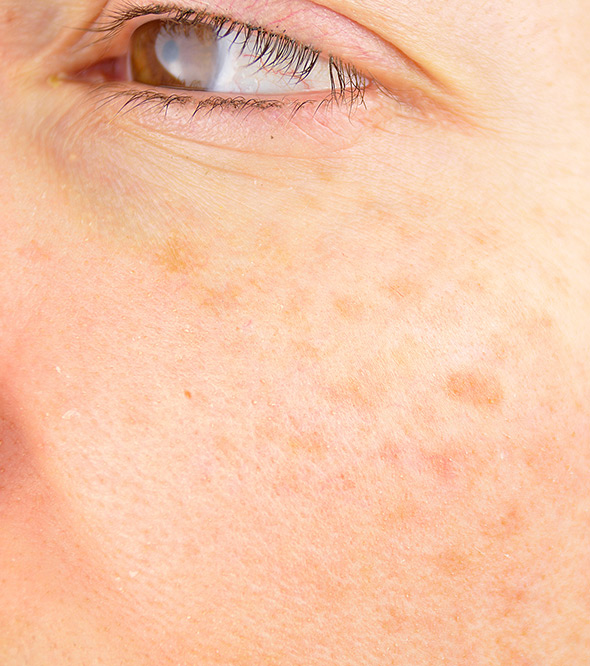
Age spots are flat, oval, and typically range from light brown to black. They are painless and do not cause any other symptoms. Most often, they cluster together, making them more noticeable.
Common areas: face, hands, arms, and chest
You’ll most likely find age spots on parts of the body that get the most sun over the years: the face, backs of the hands, forearms, shoulders, and chest.
What causes age spots?
Age spots are also called solar lentigines. UV rays accelerate the production of melanin–the pigment in your skin that gives it its color. This increase in melanin is your body’s way of protecting your skin. If melanin starts to clump in your skin, it can cause a specific area to darken, which we call an age spot. So, sun exposure is an easy answer to what causes them. Fair-skinned individuals are more likely to be affected by UV rays, making them more susceptible to sun damage.
Age spots are not harmful and are mainly a cosmetic concern. However, they can sometimes be confused with other kinds of skin growth, including moles and even skin cancer. Remember that whenever you get a tan or sunburn, it means your skin has been damaged. This sun damage can lead directly to age spots and other signs of premature aging.
While aging does cause a host of changes to our bodies, our skin doesn’t have to make us look or feel old,” says Dr. Fox. “A consultation with your dermatologist can help you identify the right treatment for you that will reduce or even remove age spots and leave you feeling and looking younger,” says Joshua Fox, M.D., an Advanced Dermatology, P.C. dermatologist.
When you see your dermatologist, they will examine your skin condition and ask you questions. If they cannot tell immediately what kind of growth you have, they may perform a test to be sure before recommending a treatment. After a visual inspection, they may perform a biopsy, which involves removing a small piece of the growth for microscopic examination.
If you have liver spots, there are different age spot treatment options, including over-the-counter medications, prescription medications, and treatments done in your dermatologist’s office.
Liver spot causes
The main cause of liver spots is years of sun exposure. Ultraviolet (UV) light speeds up melanin production, the pigment that gives skin its color. Over time, areas with frequent sun exposure can develop clusters of melanin, resulting in age spots.
How can I prevent age spots?
Many of the same recommendations for preventing skin cancer also apply to this condition.
Reducing sun exposure is the best way to lower the risk of age spots. Wear a broad-spectrum sunscreen (which blocks both UVA and UVB rays) with an SPF of at least 15 and reapply regularly on all exposed skin areas, no matter the weather or season. If you must be in the sun, seek shade to avoid intense afternoon rays, and wear protective clothing, including a broad-brimmed hat.
While aging does cause a host of changes to our bodies, our skin doesn’t have to make us look or feel old. A consultation with your dermatologist can help you identify the right treatment to reduce or even remove them, leaving you feeling and looking younger.
Topical treatment options
If you’re looking for a procedure-free way to lighten age spots, consider an over-the-counter or prescription-based lightening cream.
When using topical treatments, results can take several months because creams work by gradually bleaching or lightening darkened areas of the skin.
Ask your dermatologist about safe, effective topical medications that include:
- Hydroquinone
- Glycolic acid
- Kojic acid
- Retinoids
- Mild steroids
However, be aware that these may cause temporary discomfort or dryness. Always use sunscreen with SPF 30 or higher while using lightening creams.
“For those considering a DIY topical skin lightener: Be careful,” warns Seelal. “One survey of OTC options showed that an alarming number contained the highly toxic ingredient mercury, which poses a neurological threat not only to the user but to those they come into close contact with, children and partners. What’s especially tricky is that some ingredient labels cloak mercury in other terms: calomel, cinnabaris, hydrargyri oxydum rubrum, or quicksilver. In general, look for an OTC product with hydroquinone, glycolic acid, or kojic acid. Your dermatologist can help recommend safe options and prescribe topical treatments.”
Who is most at risk for age spots?
Anyone can develop age spots, but you’re more at risk if you meet the following criteria:
- Over age 40
- Have fair skin
- Experience heavy sun exposure
- Use tanning beds
- Have a history of frequent sunburns
Sun protection and daily skincare
The best way to prevent age spots is to protect your skin in the following ways:
- Use broad-spectrum sunscreen daily (SPF 30 or higher)
- Wear protective clothing, hats, and sunglasses
- Seek shade when possible
- Avoid peak sun hours (10 am–4 pm)
Good daily skincare, which includes gentle cleansing and moisturizing, can also help your skin look its best.
Preventing new liver spots
Consistent sun protection is key. In addition, using antioxidant-rich serums and products containing vitamin C or licorice extract may help prevent new spots from forming.
How to get rid of age spots
There are several effective options for removing age spots:
- Prescription creams (such as hydroquinone)
- Chemical peels
- Microdermabrasion
- Cryotherapy (freezing)
- Laser therapy
Your dermatologist will recommend the best treatment based on your skin type and the location of your spots.
Over-the-counter age spot remover
Many OTC creams contain ingredients like retinol, vitamin C, or glycolic acid. These may help lighten mild spots over time, but professional treatments offer faster and more reliable results.
In-office dermatological age spot treatment options
Dr. Fox says most people do not get satisfactory results from these lotions and creams. “If these over-the-counter products don’t do enough to reduce the spots, your dermatologist has an arsenal of other treatments that do a great job of reducing or removing age spots.”
For faster and more effective results, consider these in-office treatments for age spot removal:
Prescription creams
Bleaching creams containing hydroquinone, used alone or with retinoids and a mild steroid, when used regularly, may partially fade age spots over time.
Q-Switched Lasers
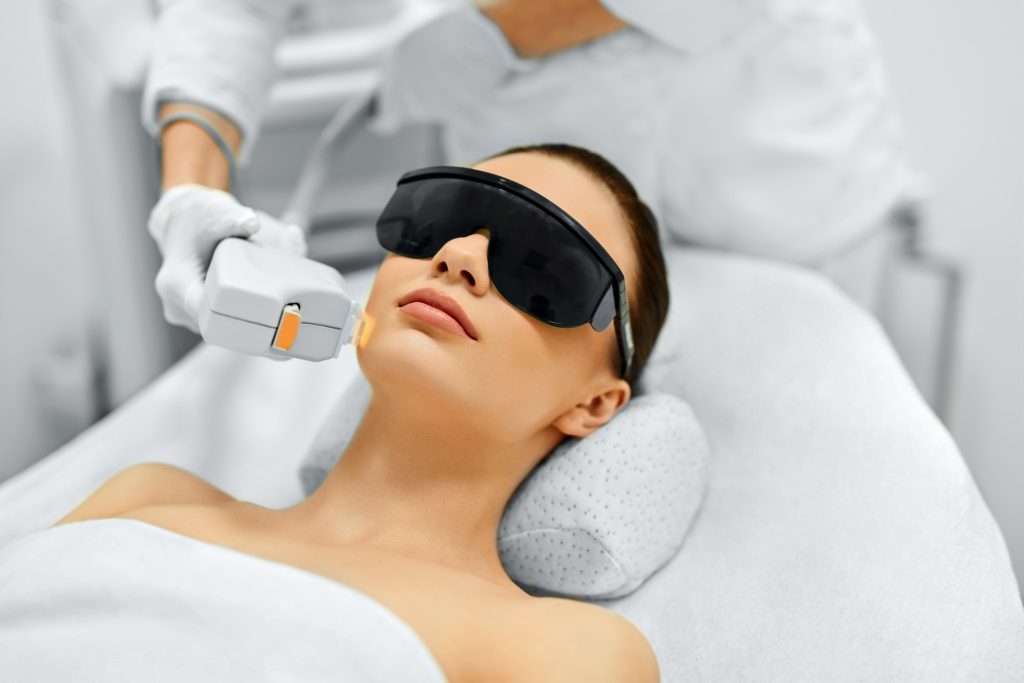
Laser age spot removal can target melanin and melanocytes or resurface the skin to remove sun damage, brown spots, and liver spots.
Some lasers target specific pigments in the skin and leave the surrounding tissue unharmed. Other lasers resurface the skin by removing damaged cells, revealing new ones. Lasers have been used in dermatology for many years in age spot treatment.
Microdermabrasion
The skin is sanded with a special instrument to reduce the appearance of the age spot during this procedure. This procedure helps to strengthen and rejuvenate aging skin and may even help reduce fine lines and wrinkles.
Microneedling
Microneedling, also called Collagen P.I.N., causes small injuries to the skin with “micro” needles. This allows damaged skin to be healed over with new skin. A few treatments are usually needed for the best results.
Cryosurgery
This procedure uses liquid nitrogen to freeze skin tissue and remove age spots.
Chemical Peels
Chemical peels are powerful treatments that involve applying a layer of chemicals on the skin, which are then peeled off to remove the top layer of damaged skin cells. This helps reduce and remove age spots, strengthen the skin, and boost collagen production. The result is a fresh complexion with renewed skin cells and diminished skin imperfections.
Laser Skin Rejuvenation–Fraxel and Pixel
According to a 2025 study published in the Journal of Cosmetic Dermatology, laser therapy is among the most effective treatments for age spots. Fraxel is a powerful resurfacing laser treatment that smoothes and rejuvenates the skin, removes age spots, and reduces the appearance of fine lines. Pixel is a more powerful resurfacing laser that also treats deeper lines.
For more information about our in-office treatments, please visit our offices in Manhattan, Bergen County, Long Island, Queens, and more.
Frequently Asked Questions
What does an age spot look like?
Similar to moles, age spots are oval and circular markings that appear on our skin as we age. They can be black, tan, or brown and usually appear in areas with the most sun exposure over the years. This includes the back of your hands, face, shoulders, upper back, and the tops of your feet.
What gets rid of age spots?
Age spots occur naturally, but there are many alternatives to complete liver spot removal. These include topical creams, lasers, chemical peels, and other options. However, you should consult a certified skin expert to identify the best course of treatment, including age spot removal, based on your goals and skin type.
Can age spots turn into cancer?
Age spots are not cancerous but can often be confused with actinic keratosis, which may develop into skin cancer. As a result, remember that both skin cancer and they tend to occur in areas that normally undergo heavy sun exposure. Always consult with an experienced dermatologist before initiating an age spot treatment plan.
Do age spots appear suddenly?
Age spots tend to appear gradually and usually go unnoticed, leading patients to believe they are actinic keratosis or a similar skin condition. If you are unsure, contact a dermatologist in your area and book a consultation for liver spot treatment.
Why am I suddenly getting brown spots on my face?
You may be getting brown spots on your face for many reasons. While these may be age spots, various skin lesions can be mistaken for them, so always consult a professional about proper treatment for age spots to avoid potential complications.
Are liver spots the same as age spots?
Yes, “liver spots” and “age spots” are two names for the same benign skin condition.
What is the fastest way to remove age spots?
Professional treatments like laser therapy or chemical peels offer the quickest results. Some patients see improvement after just one session.
Can age spots fade on their own?
Age spots do not usually fade without treatment. Sun protection can prevent new ones from forming, but won’t get rid of existing spots.
How many laser sessions are needed for age spot removal?
Some people see significant fading after just one session, while others may need two or three treatments for the best results.
Is age spot removal permanent?
Once a spot is removed, it does not return. However, new spots can develop if you continue to get unprotected sun exposure. Ongoing sun protection is essential.