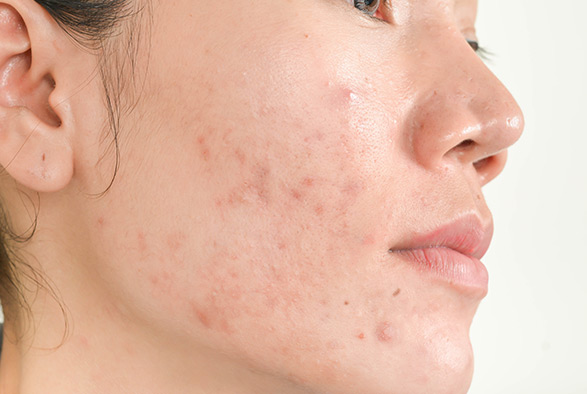
Scarring is an integral part of the body’s natural healing process after a trauma, injury, surgery or conditions such as acne or stretch mark
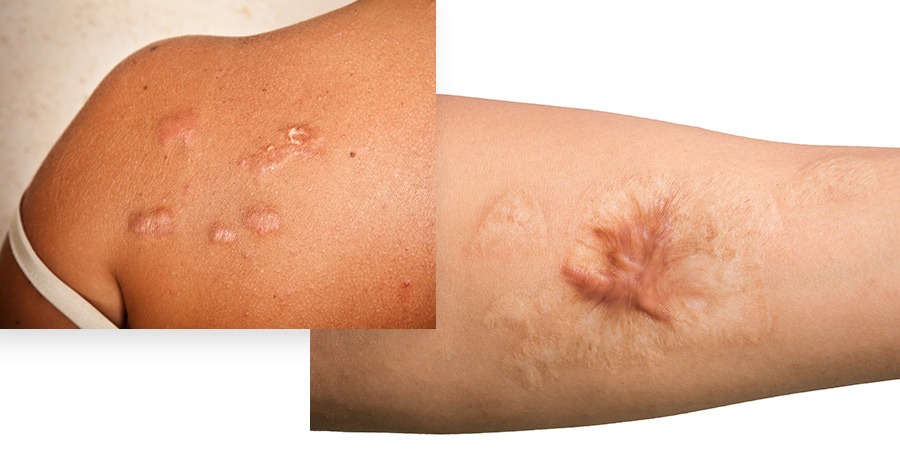
When an injury affects only the outer layer of skin, or the epidermis, the body can rebuild the tissue with minimal scarring. However, when an injury affects the deeper layers of the skin, or the dermis, rebuilding is more complicated because the body must first lay down a protein called collagen. It is this process that usually results in a scar.
A similar process can also occur with stretch marks, which form when the skin stretches or shrinks rapidly, causing small tears in the dermis that heal with visible lines or bands on the surface.
As the injury continues to heal, new blood vessels form, and the collagen fibers become evenly distributed. This ultimately leads to the scar fading over time. A wound is not classified as a scar until it is completely healed.
From a medical standpoint, there is no need to pay any attention to a scar. Once properly healed, a former wound, or even stretch marks, has no potential of becoming infected or causing further medical complications.
Cosmetically unappealing marks may cause psychological stress, in which case one may opt to have them treated or removed.
Conventional treatments for scar removal ranged from surgery and dermabrasion to cryotherapy and liposuction as well as several other therapies. The results from these procedures, however, were often less than satisfactory.
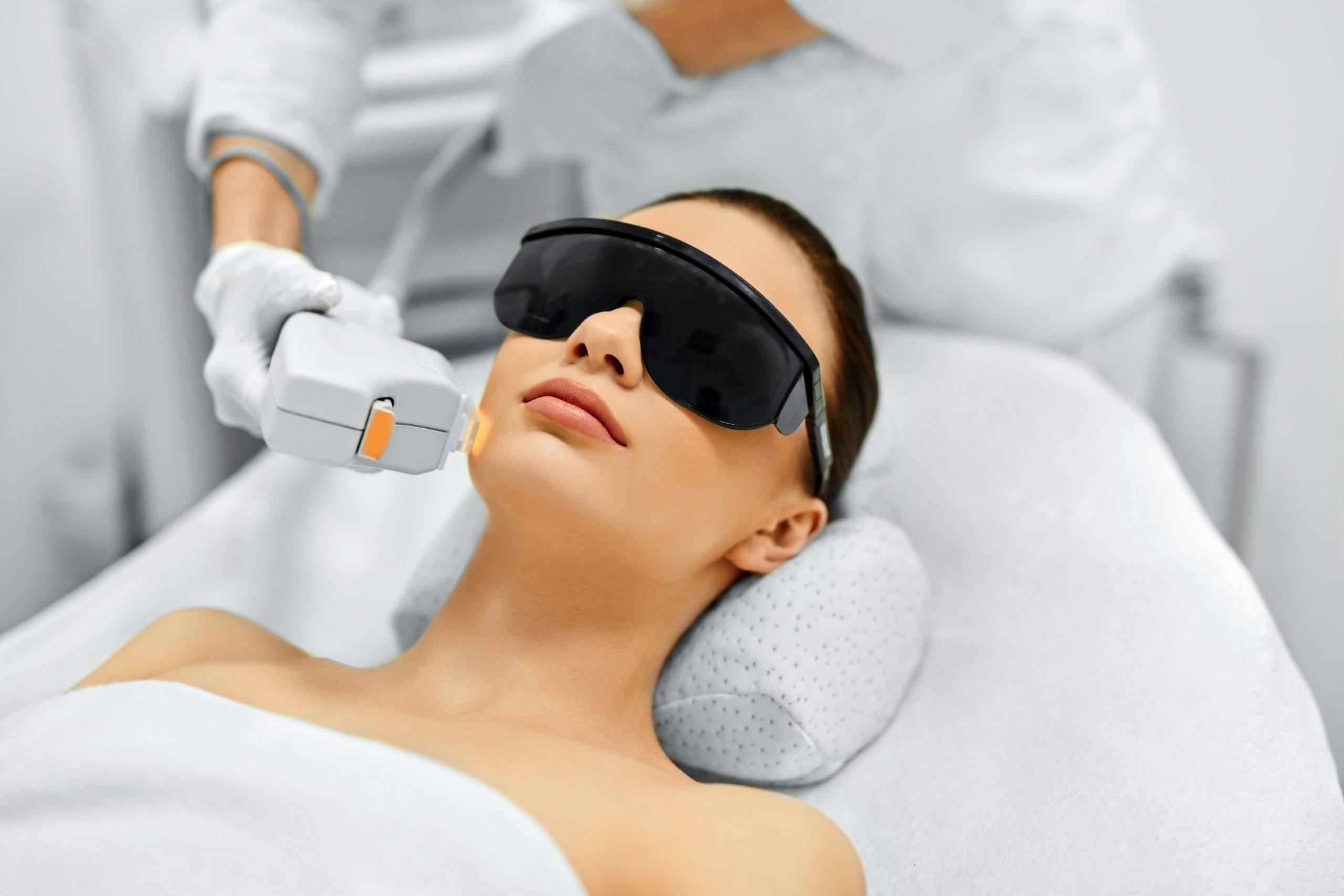
At Advanced Dermatology PC we pride ourselves on continuously updating our technology and training our doctors so that we can provide our patients with the latest and most affective forms of treatment. In the realm of scar removal, we employ several different lasers depending on amongst other things the size, shape, depth, and location of the scar, amongst other things. Call to schedule a consultation with one of our cosmetic surgeons who will be glad to advise you about different treatment options.
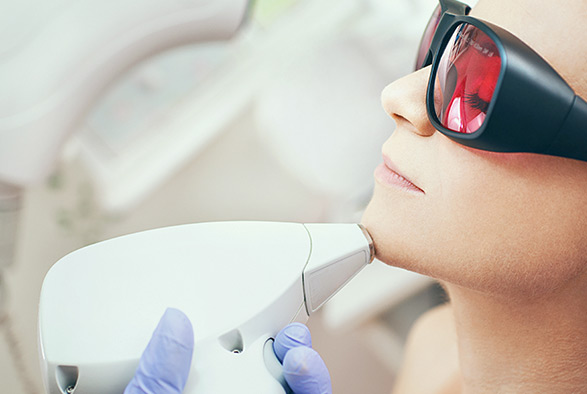
At our offices we use a variety of lasers with predetermined frequencies and wavelengths based on each individual person and scar. The CO2 laser for example, has the ability to reduce the thickness of elevation of a “think” or hypertrophic scar. For a scar that is depressed, the CO2 laser can alter and even out the scar relative to the surrounding tissue. What this laser offers our patients is a more specific and direct treatment. Our doctors are able to control the depth of penetration and thus, minimize bleeding and bruising. For scars that are inflamed, the Nd:Yag laser and/or the Laser Genesis can be utilized to diminish the blood vessels that are causing the inflammation, yielding a scar that is less noticeable.
Laser procedures have been described by our patients as “a rubber-band snapping on the wrist.” Laser scar removal requires no anesthesia. Patients with low pain tolerance may opt to have a topical anesthetic applied before the procedure to minimize any pain whatsoever.
Following a laser treatment, one may experience some swelling and red coloring. However, these side effects are minimal and do not inhibit ones ability to carry out their everyday chores. There is no “downtime” or recovery time necessary following laser scar removal. To better understand the potential outcomes, you may also want to review before and after scar treatment results, which can provide valuable insights into the effectiveness of the procedure.
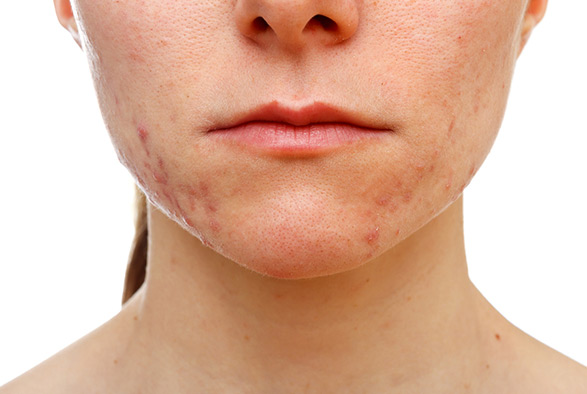
Acne scars can persist as a nuisance for many years after the acne condition has subsided. This type of scarring can occur as the skin heals from pimples, whiteheads, and blackheads that form when oil, bacteria, and dead cells become trapped beneath the skin’s surface.
When dealing with acne scars, two factors have to be taken into consideration. The first step is the removal of damaged skin, followed by the production of new collagen, which improves the skin’s texture.
Conventional treatments for acne scarring include chemical peels, topical agents, and abrasion therapies. While these therapies may still be used in combination with lasers to achieve the best possible results, lasers have largely taken over, as they are minimally invasive and have no recovery time.
The Fraxel laser operates by removing damaged skin on the surface while stimulating new collagen deeper within the skin. These two modes work together to enhance the elasticity, texture, and tone of the skin, yielding impressive before-and-after results for acne scars, while also protecting the surrounding tissue.