
Acne scar removal and care service
Acne scars can linger long after breakouts end, leading many people to search for how to get rid of acne scars.
Acne scars may appear as dips, raised patches or areas of discoloration. While they’re physical changes in the skin, they often influence how people feel about their appearance, affecting confidence and self-esteem. Understanding how these scars form and which acne scar treatments can help is the first step toward smoother, clearer skin.
At Advanced Dermatology, P.C., our dermatologists specialize in personalized acne scar care for all skin types. Whether your scars are subtle or more complex, we offer solutions to improve texture, tone and appearance while supporting long-term skin health with medical acne scar treatment.
What Are Acne Scars?
Acne scars are permanent changes in the skin that outlast active breakouts. Unlike temporary blemishes or marks, scars form when the skin’s tissue is damaged during the healing process. Their severity and appearance depend on the type of acne, the depth of inflammation and an individual’s natural healing response.
Causes of acne scars
Several factors contribute to acne scarring:
- Severe acne
Deep, inflamed lesions can damage the underlying skin tissue, increasing the likelihood of scarring. - Inflammatory acne
Cysts and nodules tend to cause more extensive skin disruption than non-inflammatory acne, like whiteheads or blackheads. - Genetic predisposition
Some individuals are more prone to scarring due to inherited skin characteristics. - Picking or popping acne lesions
The urge to pick, pop or squeeze acne lesions can worsen inflammation, spread bacteria, and lead to permanent scarring. - Delayed or ineffective treatment of acne
Untreated or poorly managed acne increases the risk of long-term skin conditions.
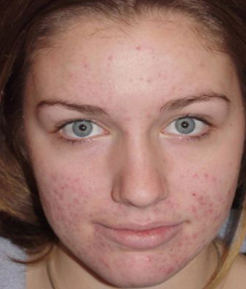
What acne scars look like
Acne scars can vary widely in appearance. Types of acne scars include:
- Shallow or deep depressions
- Raised, thickened areas
- Red, pink, brown or white discoloration
- Uneven skin texture, creating shadows or rolling patterns
The type of scarring informs treatment options, so making an accurate acne scar diagnosis is essential.
Types of acne scars explained
The most common types of acne scars include:
- Ice pick scars
Narrow, deep, pitted scars resembling small punctures. - Boxcar scars
Broader depressions with sharp edges that give the skin a cratered appearance. - Rolling scars
Wavy or rolling skin texture caused by underlying fibrous tissue pulling the skin. - Hypertrophic or keloid scars
Raised, thick scars that may extend beyond the original acne lesion. - Post-inflammatory hyperpigmentation (PIH)
Dark spots left after acne healing often appear alongside acne scarring. (Though not true scars, they can be visually prominent.)
Each type presents unique challenges, and understanding your scars helps dermatologists design effective treatment.
Acne scar symptoms and diagnosis
Acne scars often leave the skin uneven long after breakouts fade. Individuals usually notice one or more of the following acne scar symptoms:
- Persistent pits or depressions
- Raised areas
- Pink, brown, or white marks that aren’t improving
- Texture changes that look more pronounced in certain lighting
A dermatologist can determine whether these marks are long-term scars or temporary discoloration based on how long they’ve been present and how long it takes for the skin to heal.
How dermatologists diagnose acne scarring
Diagnosis focuses on defining the scar type, depth and pattern.
Your acne scar dermatologist evaluates the skin under in different lighting conditions, determines whether active acne is still present, and reviews past treatments and your skin history. This helps identify the scar pattern and guide the best treatments for your acne scar removal needs.
When acne marks become scars
Post-acne marks often fade on their own within a few weeks or months. They’re considered scars when they remain unchanged for a long period, create visible texture differences, or appear deeper in certain lighting.
Deep inflammation or picking increases the likelihood that a temporary mark becomes permanent.
Lifestyle factors that contribute to acne scarring
While acne scarring is largely influenced by skin biology and acne severity, lifestyle choices can affect skin healing:
Diet and acne
A balanced diet rich in vitamins, minerals and antioxidants supports skin repair. Various fruits, vegetables, whole grains and lean proteins can contribute to skin health.
Proper skincare
Gentle cleansing, non-comedogenic products and avoiding over-exfoliation reduce irritation and support healing.
Sun exposure
Ultraviolet (UV) rays can darken scars and worsen hyperpigmentation. This is particularly true for individuals with PIH. Applying sunscreen daily is crucial to minimize the risk of hyperpigmentation, prevent acne scarring and protect your skin.
Picking and squeezing acne lesions
Manipulating blemishes significantly increases the risk of permanent scarring.
Acne scar treatments
At Advanced Dermatology, P.C., we offer a range of advanced acne scar treatment options to reduce the appearance of scars and improve your skin’s overall texture and appearance, resulting in impressive before and after acne scar results.
Laser resurfacing treatments
Fractional laser and CO2 laser treatments target damaged areas, stimulate collagen production and smooth scarred skin.
Microneedling and RF (radiofrequency) microneedling
Microdermabrasion is a non-invasive procedure that exfoliates the skin’s outer layer, enhances skin texture, and diminishes the visibility of scars, making it suitable for milder acne scars. Controlled micro-injuries encourage collagen growth and can effectively reduce the appearance of scars.
Chemical peels for acne scars
Chemical peels involve applying a chemical solution to the skin, which causes controlled exfoliation. This process helps reduce the appearance of acne scars by promoting the regeneration of new, healthy skin cells.
Acne scar surgery and subcision
Minor surgical techniques that release fibrous bands, plumping depressed scars.
Dermal fillers for atrophic scars
Temporary or semi-permanent fillers plump depressed scars for a smoother surface. This is a highly effective treatment for deep acne scars.
Topical and prescription treatment options
Medically guided creams and serums can help lighten hyperpigmentation and support healing.
If you’re living with acne scarring and considering medical acne scar treatment, the dermatologists at Advanced Dermatology, P.C., are experts in skin health and can provide personalized guidance based on your specific scar type, skin condition and treatment goals.
Preventing acne scars
Prevention is often more effective than treatment. Taking proactive steps to maintain healthy skin and manage acne can significantly reduce the risk of scarring. Key strategies include:
- Regular cleansing to remove excess oil, dirt and dead skin cells and to lower the risk of new acne breakouts. (Gentle exfoliating can also help by promoting skin cell turnover.)
- Proper hydration to keep skin resilient and less prone to irritation. Drink plenty of water and use a gentle, non-comedogenic moisturizer to keep your skin balanced.
- Effective acne management to reduce acne severity and scarring risk. Consider products containing salicylic acid, benzoyl peroxide or retinoids.
- Resist the urge to pick at blemishes to allow your skin to heal naturally.
- Maintain a consistent and gentle skin care routine and early acne management to minimize scarring and support healthy skin.
Early acne treatment to reduce scarring risk
Consistent acne treatment is the most effective way to prevent scarring. Early intervention helps reduce inflammation before it damages collagen and minimizes the risk of deeper lesions.
Our dermatologists tailor their plans to address active acne and your skin’s unique healing process, so marks are less likely to form in the first place.
Skincare ingredients that prevent scarring
Here are some key ingredients that help the skin recover properly after breakouts:
- Retinoids to support cell turnover and prevent clogged pores.
- Niacinamide to calm inflammation and strengthen the skin barrier.
- Azelaic acid to reduce redness and pigment changes.
- Salicylic acid to keep pores clear and reduces deeper acne.
- Vitamin C to support brightening and collagen repair.
When used regularly (and with professional guidance), these ingredients can help reduce the risk of long-term texture or discoloration.
Comprehensive treatment for acne scarring is possible
You don’t have to live with acne scars forever.
Our acne scar specialists offer expert care, combining the latest treatments with a personalized approach.
Patients see measurable improvements in skin texture and appearance, helping restore confidence in their complexion.
Personalized acne scar treatment plans
Your skin is unique. Your acne scar treatments should be too. At Advanced Dermatology, P.C., we assess scar type, skin condition, and treatment goals to develop a plan that achieves optimal results.
Frequently Asked Questions
How long does acne scar treatment take to show results?
Results vary based on skin type, scar type and treatment, but many patients notice improvements within weeks to months with professional acne scar treatment.
Are acne scars permanent without treatment?
Some scars may fade slightly over time, but most require professional acne scar removal for significant improvement.
Which acne scars respond best to laser therapy?
Ice pick and boxcar scars often respond well to laser therapy and acne scar resurfacing, though dermatologists may combine treatments for optimal outcomes.
Can acne scars return after treatment?
Proper acne management and follow-up care reduce recurrence, but new scars can form if acne is not controlled.
What is the best treatment for deep acne scars?
Deep scars may benefit from subcision, dermal fillers, or combined laser and microneedling treatments. Our dermatologists tailor acne scar removal treatments to each patient.