
Comprehensive rosacea treatment at Advanced Dermatology, P.C.
Many people experience rosacea, a chronic inflammatory condition marked by facial redness, bumps and pus-filled pimples. According to the National Rosacea Foundation, more than 16 million Americans live with rosacea, yet many remain undiagnosed.
Unlike allergies or eczema, rosacea worsens without treatment. A dermatologist at Advanced Dermatology, P.C. can provide an accurate diagnosis and personalized rosacea treatment to help you manage symptoms and prevent flare-ups.
While there is no cure, today’s treatments make it possible to control the condition, enhance comfort and improve appearance.
What is rosacea?
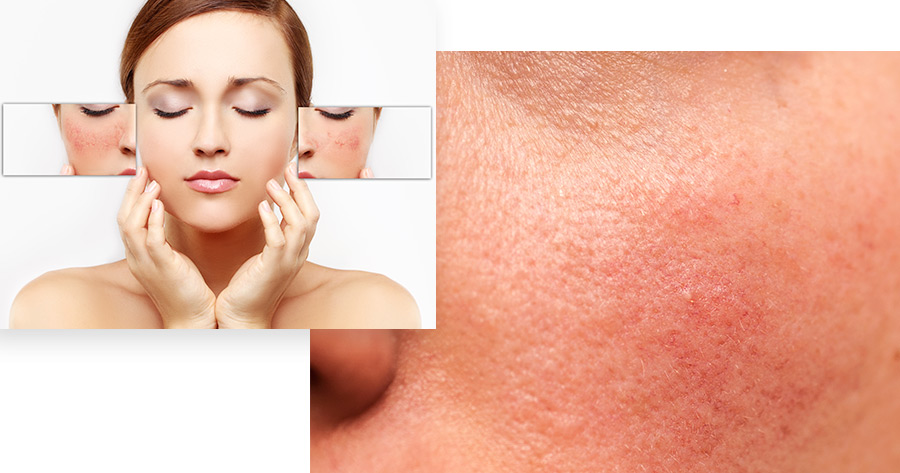
Rosacea is a long-lasting skin condition that primarily affects the central face. It tends to cycle through flare-ups and periods of improvement.
While rosacea can begin at any age, it most often appears after age 30 as flushing or redness on the cheeks, nose, chin or forehead. Over time, redness may become more persistent, bumps may form and visible blood vessels (telangiectasias) can appear.
Rosacea causes
Doctors and researchers are still determining what exactly causes rosacea. However, many believe it results from a combination of genetic, environmental and immune system factors.
Common contributors include:
- Family history of rosacea
- Fair skin or a tendency to flush easily
- Sun exposure
- Certain medications, such as topical steroids
- Alcohol consumption
- Spicy foods
- Hot beverages
- Emotional stress
These factors do not cause rosacea outright, but they can trigger symptoms or make existing redness worse.
What does rosacea look like?
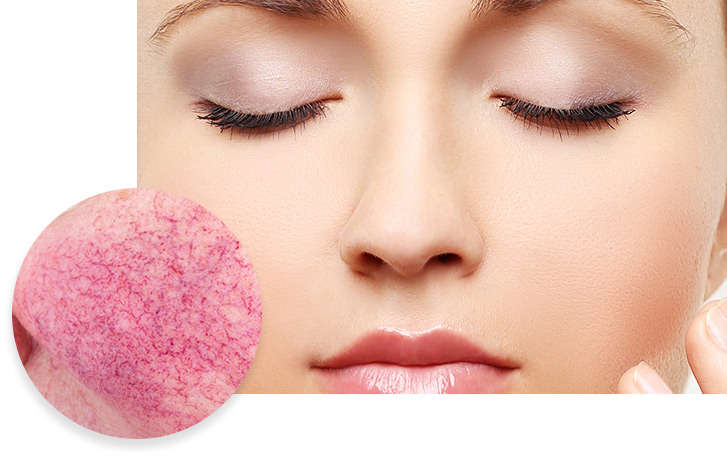
Rosacea can appear differently from person to person, but common features include:
- Persistent facial redness
- Visible blood vessels on the cheeks or nose
- Acne-like bumps or pustules
- Flushing triggered by heat, stress or certain foods
- Skin that feels warm, sensitive or easily irritated
- Eye redness or irritation (ocular rosacea)
- Thickened skin on the nose in advanced cases
If you’re unsure whether your symptoms are rosacea, a dermatologist at Advanced Dermatology, P.C. can provide the clarity and treatment you need.
Types of rosacea
Rosacea has four main subtypes, each with slightly different characteristics:
- Erythematotelangiectatic rosacea
The most common form. Causes persistent facial redness, flushing and visible blood vessels. - Papulopustular rosacea
Produces red bumps and pus-filled pimples that resemble acne. - Rhinophyma
Leads to thickened, bumpy skin on the nose and is most common in men. - Ocular rosacea
Affects the eyes, causing redness, dryness, irritation, redness and a gritty or burning sensation.
Rosacea symptoms and diagnosis
Rosacea varies widely, but the most common symptoms include:
Signs of rosacea
Here’s a breakdown of the key symptoms of rosacea on the face:
- Facial flushing and redness: Often the earliest sign, gradually becoming more persistent
- Bumps and pimples: Acne-like breakouts that may be tender
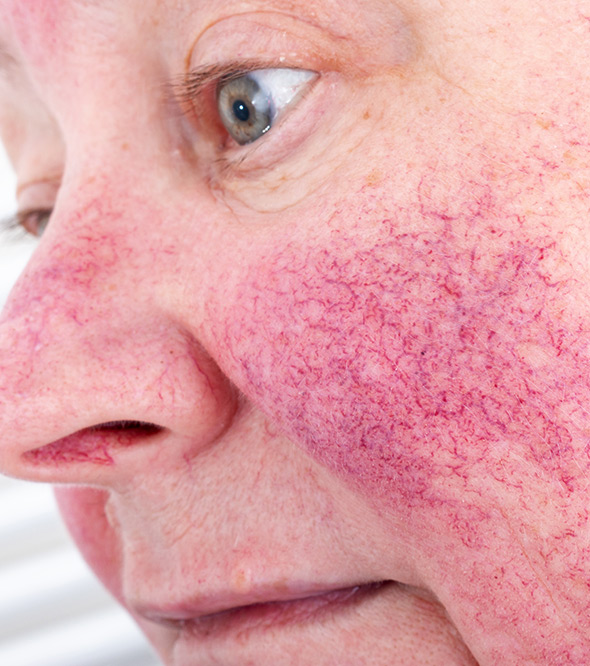
- Visible blood vessels: Fine lines of redness on the cheeks or nose
- Burning or stinging: Skin that reacts strongly to heat, wind or products
- Dryness: Flaking, roughness or skin sensitivity
- Swelling: Puffiness, especially around the eyes
- Thickening skin: Most often on the nose in advanced cases
How dermatologists diagnose rosacea
Dermatologists diagnose rosacea through:
- A detailed skin examination
- A discussion of symptoms, triggers and medical history
- Evaluation for similar conditions, such as acne, eczema or lupus
- Assessment of eye symptoms (for ocular rosacea)
No lab test is required. Diagnosis is based on clinical evaluation by a trained dermatologist.
What causes rosacea flare-ups?
Flare-ups happen when something irritates or dilates the blood vessels in the skin. Triggers differ from person to person, but understanding your own patterns is one of the most effective ways to reduce symptoms. Flare-ups can be grouped into nine major trigger categories:
- Food
Certain foods, like spicy dishes, aged cheeses and even some fruits, can cause flushing and worsen symptoms. - Drinks
Alcohol, particularly red wine and hot beverages like coffee or tea, can trigger flare-ups. - Temperature
Avoid extremes. Saunas, hot baths and excessively warm environments can all trigger rosacea. Conversely, cold weather, strong winds and humidity can also be problematic. - Sun
Sun exposure is a major trigger. UV protection is essential to prevent flare-ups. - Medications
Certain medications, including vasodilators and topical steroids, can worsen this condition. Talk to your doctor about possible alternatives.
- Other medical conditions
Underlying medical conditions like frequent flushing or menopause can sometimes contribute to flare-ups. - Emotions
For many people, stress and anxiety can be significant rosacea triggers. - Skin care products
Harsh cosmetics, hairsprays with irritating ingredients and some fragrances can trigger flare-ups. Choose gentle, fragrance-free products formulated for sensitive skin. - Physical activity
While exercise is generally good for health, strenuous workouts or activities that cause excessive sweating can trigger rosacea in some individuals.
Understanding these potential triggers and adjusting your lifestyle can significantly reduce the frequency and intensity of rosacea flare-ups.
Why flare-ups happen
Flare-ups happen when the skin’s natural barrier becomes more reactive, which causes the blood vessels to widen, leading to redness and inflammation.
Managing your unique triggers helps break this cycle and prevent worsening symptoms.
Rosacea Triggers
Common triggers include:
- Sun exposure: UV rays can aggravate rosacea, so using sunscreen and avoiding excessive sun exposure is essential.
- Hot or cold weather: Extreme temperatures, whether hot or cold, can trigger rosacea symptoms.
- Hot drinks and spicy Foods: These can cause the blood vessels in the face to dilate, leading to redness.
- Alcohol: Red wine, in particular, can trigger flare-ups.
- Stress and emotional Upset: Stress, anxiety, and other strong emotions can worsen rosacea.
- Exercise: Strenuous exercise that leads to overheating and increased blood flow can trigger symptoms.
- Certain skin care products: Products containing alcohol, witch hazel, fragrance, menthol, peppermint, and eucalyptus oil can irritate the skin.
- Medications: Some blood pressure medications, including vasodilators, can exacerbate rosacea.
- Hot baths and saunas: Heat and steam can trigger flare-ups.
- Dietary factors: Some people find that certain foods, such as dairy products, chocolate, and foods containing cinnamaldehyde (like tomatoes, citrus fruits, and cinnamon), can trigger their rosacea.
- Hormonal changes: Hormonal fluctuations, such as those occurring during menopause, can worsen rosacea symptoms.
- Skin care routine: Over-exfoliating or using harsh cleaning techniques can irritate the skin.
Managing rosacea triggers
Rosacea can be a frustrating skin condition, but the good news is you can manage it.
A key aspect of keeping this condition under control is identifying and avoiding your personal triggers. Why does rosacea flare up on your skin? There are a surprising number of factors.
Taking a proactive approach can significantly reduce flare-ups, helping you achieve calmer, clearer skin.
Be a trigger detective
- Keep a journal to watch for patterns
- Eliminate and reintroduce changes gradually to confirm triggers
Food and drink
Limit or avoid:
- Spicy foods
- Aged cheeses
- Red wine
- Hot beverages
- Citrus, tomatoes, cinnamon and other histamine-rich foods
Environment
- Apply daily sunscreen (SPF 30 or higher)
- Seek shade during peak hours (10:00 a.m. – 4:00 p.m.)
- Protect your skin from extreme cold winds and heat
Lifestyle
- Practice stress-reduction techniques (e.g., deep breathing, mindfulness, yoga, meditation)
- Choose lower-intensity workouts if overheating triggers redness
- Review medication with your doctor and adjust if needed
Skin care
- Use gentle, fragrance-free products
- Avoid alcohol-based formulas
- Patch-test new products
Rosacea prevention and daily care
Skincare tips for sensitive and redness-prone skin
Managing rosacea begins with consistent, gentle skin care and lifestyle adjustments:
- Skincare tips for sensitive and redness-prone skin
- Choose noncomedogenic, fragrance-free products
- Cleanse with lukewarm water, never hot
- Moisturize daily to maintain the skin barrier
- Apply sunscreen with SPF 30 or higher
- Avoid scrubs or harsh exfoliants
Ingredients to avoid during flare-ups
- Alcohol
- Witch hazel
- Menthol or peppermint
- Fragrances
- Eucalyptus oil
- Physical exfoliants
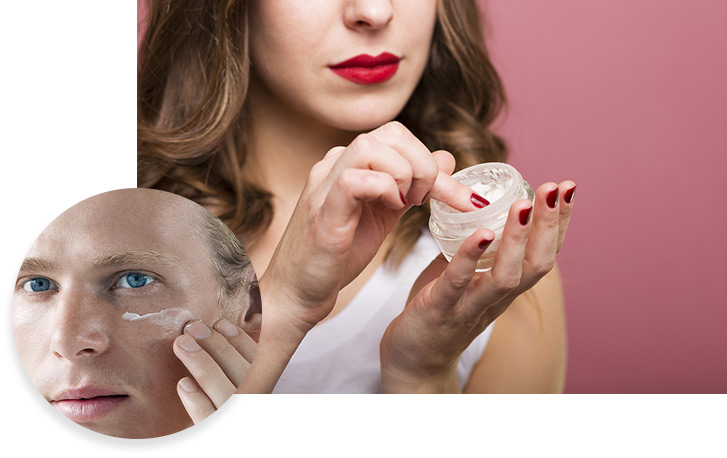
Explore your options: rosacea treatment by a dermatologist
Antibiotics for rosacea
One treatment option for rosacea is antibiotics, which come in both oral and topical forms. Antibiotics kill bacteria on the skin, which helps reduce inflammation, the number of pimples and overall redness. Your dermatologist will prescribe the type of antibiotic that is best for your rosacea, depending on the severity of your condition.
People with mild rosacea may only require a topical antibiotic applied directly to the affected areas. For more severe cases, oral antibiotics may be necessary. It typically takes 3 to 4 weeks of consistent use to see improvement in your rosacea symptoms.
It’s important to remember that antibiotics that work for one person may not be effective for another. Be sure to discuss side effects with your dermatologist, such as nausea, vomiting, diarrhea or vaginal yeast infections.
More serious side effects are rare, but contact us immediately if you experience difficulty breathing, develop a rash or experience swelling of the face, throat or lips. Reviewing before-and-after rosacea treatment results can also provide insight into treatment effectiveness and potential side effects.
Laser Treatment for Rosacea
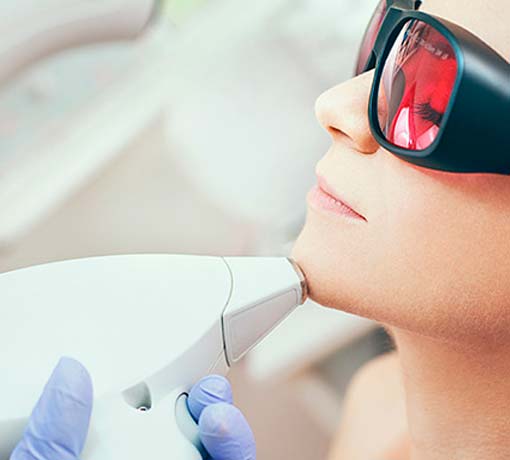
Laser treatment is another option for treating rosacea, particularly for those with severe redness and visible blood vessels.
This treatment targets and destroys tiny blood vessels beneath the skin with concentrated light beams. The laser emits predetermined wavelengths of light that are absorbed by the blood vessels, causing them to heat up and disintegrate.
Depending on the severity of your rosacea, you may need multiple laser treatments (usually at least three) to achieve optimal results.
Common laser types include:
- Pulsed dye laser (PDL)
- Nd:YAG
- KTP laser
- Erbium: YAG and CO2 lasers for thickened skin (rhinophyma)

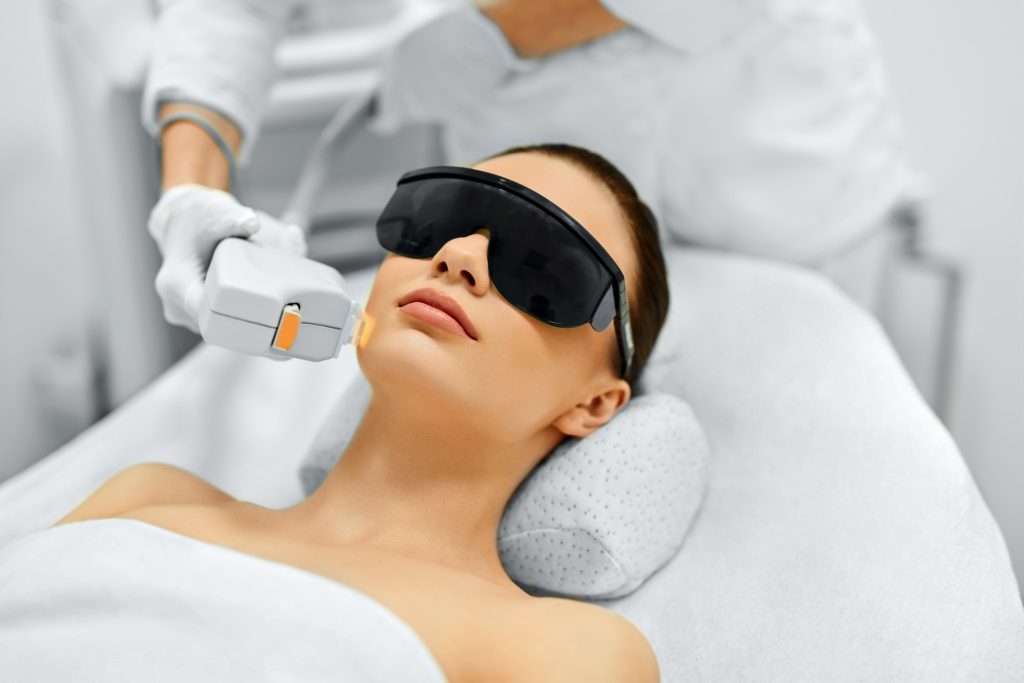
Laser treatments are generally well-tolerated, with most patients describing the discomfort as similar to a rubber band snapping on their wrist. To ensure your comfort, a topical numbing cream can be applied before the procedure.
There’s no downtime associated with laser treatment, and you can resume your daily routine immediately afterward. However, it’s normal to experience some swelling and redness after the treatment, which typically lasts two to six hours but can persist for up to a day.
Rosacea medications and topical therapy
Topical medications can help reduce flushing, redness and inflammation.
Your Advanced Dermatology, P.C. rosacea specialist may prescribe one or more of the following to help you achieve the best results:
- Metronidazole
- Azelaic acid
- Ivermectin
- Brimonidine or oxymetazoline for temporary redness reduction
When to see a rosacea specialist
Signs your symptoms are worsening
- Persistent flushing lasting longer than usual
- Increased bumps or pimple-like lesions
- Worsening eye irritation
- Visible blood vessels becoming more pronounced
- Thickening skin on the nose or chin
- Symptoms that interfere with daily life
Benefits of early medical treatment
Early medical dermatology treatment helps:
- Prevent worsening redness
- Reduce the risk of skin thickening
- Improve comfort and confidence
- Minimize long-term changes in the skin
Why choose Advanced Dermatology, P.C., for rosacea care?
Access to advanced rosacea treatments
Advanced Dermatology, P.C. offers the latest medical and cosmetic treatments to effectively manage rosacea, including:
- Prescription topical therapy
- Oral medications
- State-of-the-art laser technology
Personalized dermatologist-guided care
Every treatment plan is guided by board-certified dermatologists who tailor care to your skin type, symptoms and goals. Our team specializes in creating clear, achievable pathways to symptom control and long-term skin health.
Frequently Asked Questions
Can rosacea go away on its own?
Rosacea typically does not go away without treatment. Symptoms may improve temporarily, but long-term management is key to minimizing flare-ups.
Is rosacea the same as acne?
No. While rosacea can produce acne-like bumps, it is a different condition with distinct triggers, symptoms and treatments.
Are rosacea flare-ups seasonal?
Yes. Many people experience more flare-ups in hot, sunny weather or during cold, windy winter months.
Can certain foods make rosacea worse?
Yes. Spicy foods, hot beverages, alcohol and histamine-rich foods often trigger rosacea symptoms.
Is laser treatment safe for sensitive skin?
Laser treatment is generally safe and effective when performed by a board-certified dermatologist experienced in treating rosacea.