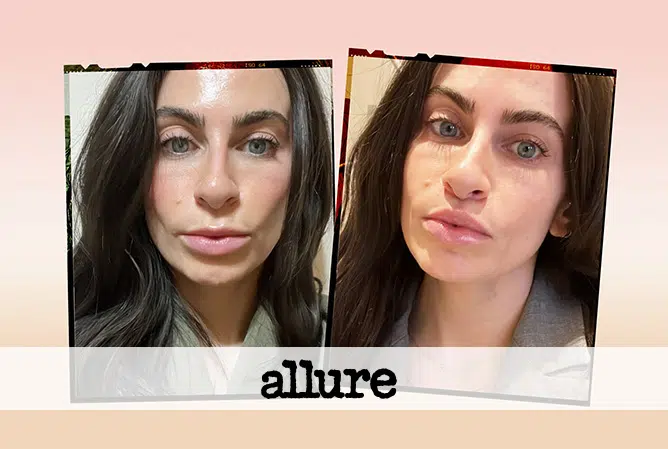
From the practice of Advanced Dermatology PC, Dr. Taglienti‘s feature in Allure takes readers through a thorough examination of the lip lift procedure, providing an up-close view of the process and the remarkable results it can achieve.
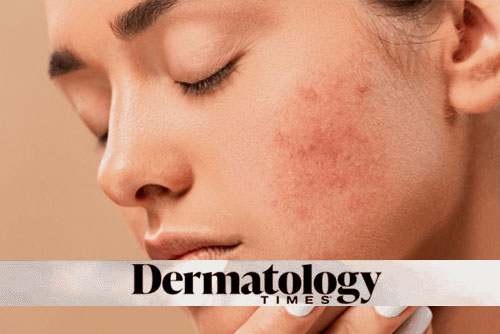
Dr. Suzanne Friedler from Advanced Dermatology PC, amongs other experts, explains in detail what rosacea is, the difference between it and redness, and share their favorite moisturizer if you suffer from it!
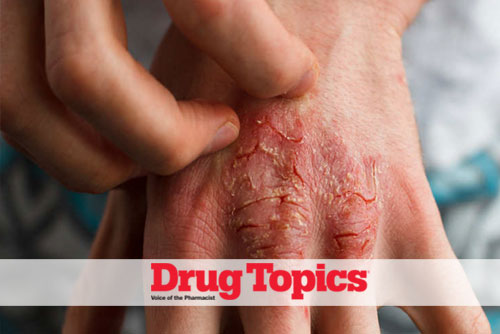
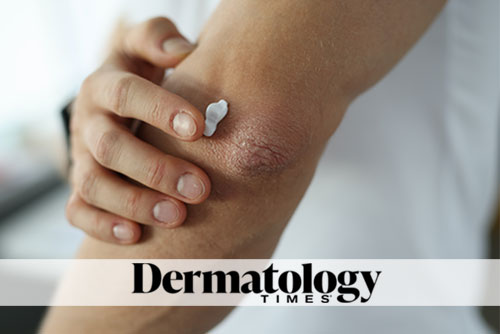
Dermatologist Loretta Pratt, M.D of Advanced Dermatology PC, explains in detail what are the most important things you need to know when it comes to moisture your skin if you suffer from Eczema.
Mehak Sagar, with the help of expert dermatologists, explains the possible reasons behind that stinging sensation on your skin whenever you use specific skincare products, and it explains how to prevent it.
Dr. Loretta Pratt, a board-certified internal medicine physician and dermatologist at Advanced Dermatology, puts together a list of useful and easy to follow tips to prevent and treat oily skin
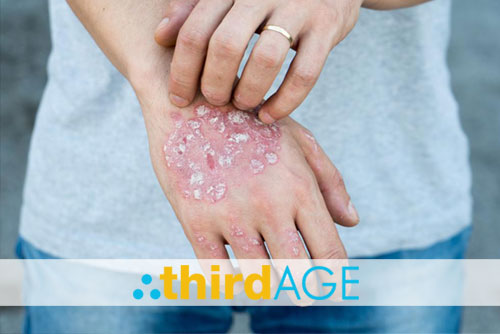
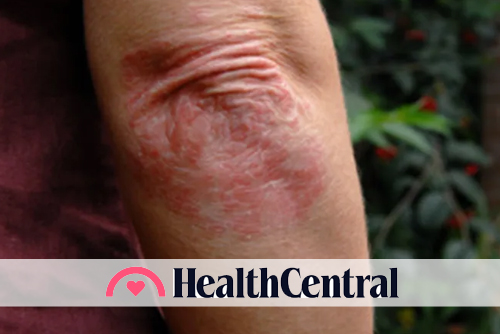
Dr. Suzzane J. Friedler, a board-certified M.D at Advanced Dermatology talks about the main differences between psoriasis and eczema, and the treatments that can help in both cases, as well as providing useful tips to aliviate the symptoms.
Suzanne Friedler. MD, FAAD, a dermatologist at Advanced Dermatology PC in New York, noted one of the things that help psoriasis is UV light because sunlight decreases certain inflammatory mediators so it’s able to regulate the inflammatory cascade you see in psoriasis.
Dr. Suzzane J. Friedler, a board-certified M.D at Advanced Dermatology, gives interesting insights about the latest advances in the treatments for the Psoriasis condition.
A group of experts in skin conditions, including Dr. Suzanne Friedler from Advanced Dermatology PC, mentioned all the reasons why Psoriasis flares are more common during winter time, and give different suggestions to prevent them and treat them.
A group of skin experts and certified dermatologist explain the biggest mistakes on skincare routines that can be counterproductive, even if they’re recommended by celebrities.
“Treatment options for psoriasis that have come leaps and bounds over the last 10 years,” says Suzanne Friedler, M.D., a dermatologist at Advanced Dermatology, PC.
Dermatology PA-C Christopher Byrne with Advanced Dermatology PC explains what is Hyperhidrosis, what causes it, and gives advice on what can be done to about this condition.
Dr. David Erstein, a board-certified allergist and immunologist at Advanced Dermatology PC, amongst other experts, discusses the causes of Sinus Headaches and shares natural remedies for it.
Did you know that Epsom Salt can be one of your best allies during your wellness journey? Learn about all the benefits it can have, and the reasons why you should include it in your routine.
If you want to make sure your lipstick will stay in place for as long as you need it, this article will teach you the best tricks to apply it and maintain it throughout the night!
Loretta Pratt, M.D., a dual board-certified internal medicine physician and dermatologist at Advanced Dermatology PC notes that black seed oil has many practical health and beauty applications.
While you can’t exactly change the pores you were born with, a few factors can influence their size over time and board-certified dermatologist Cybele Fishman, M.D. has a few strategies.
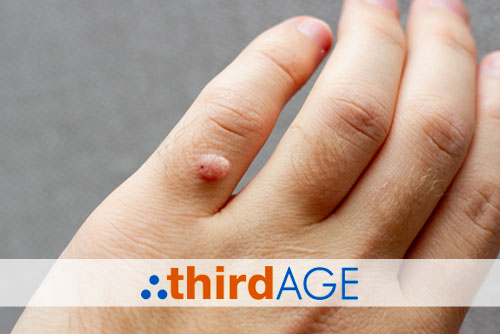
There are several different types of warts. The kind you have depends on what it looks like and where it appears on your body. APRN Denise Gallo explores this subject and treatment outcomes.