
Broken Blood Vessels: Causes, Treatments & Dermatology Care
Broken blood vessels are a common cosmetic concern for many individuals.
At Advanced Dermatology P.C., we understand the importance of feeling good in the skin you’re in, whether your skin condition poses a medical concern or not.
If you’re interested in learning more about this condition or exploring effective treatment for broken blood vessels on the face, we are here to help.
Continue reading to learn about the causes and available treatments for broken blood vessels on the face, equipping you with the knowledge to make informed decisions about your skin health.
What are broken blood vessels?
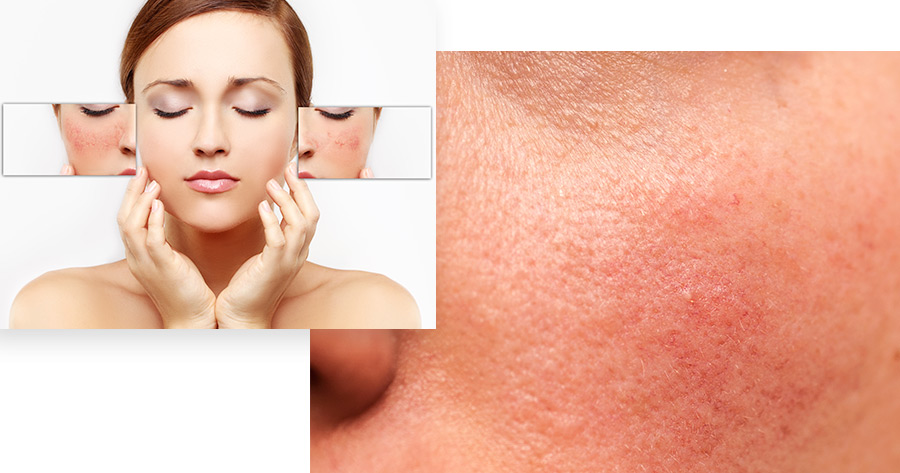
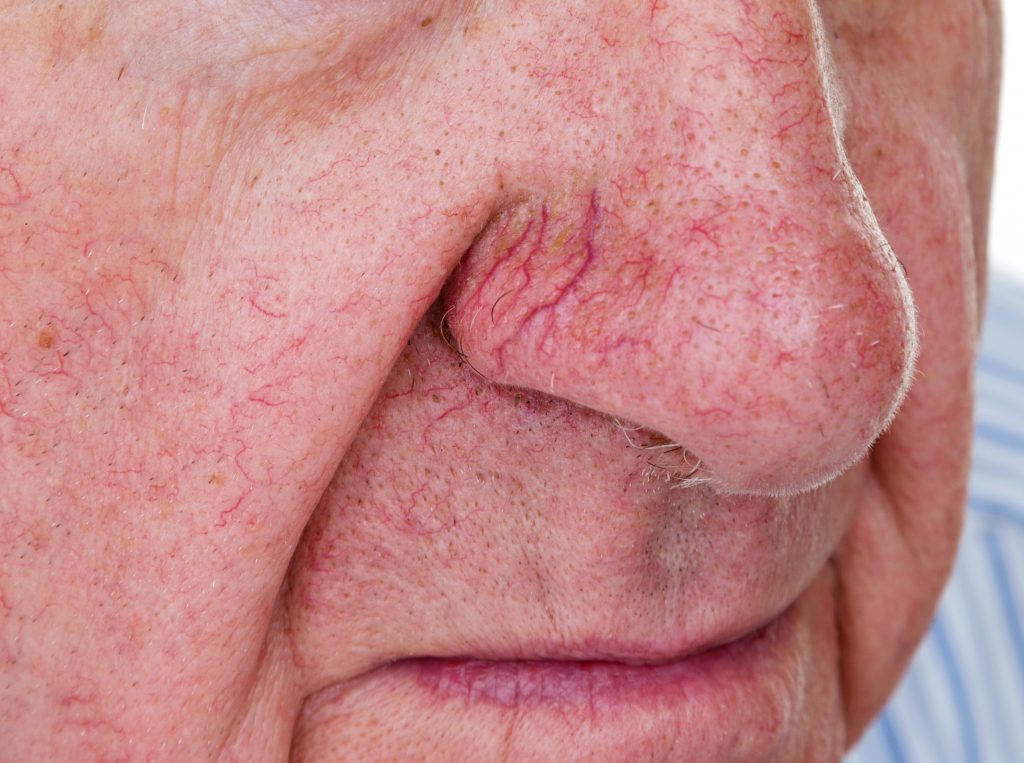
Broken blood vessels on the face, medically known as telangiectasia, is a dermatological condition caused by weakened and dilated blood vessels near the skin’s surface. These often present as thin, red, purple, or blue lines or spiderweb-like patterns, typically on the cheeks, nose, and around the chin.
Common causes and risk factors
Broken blood vessels on the face can arise from a variety of factors. The most common causes include:
- Genetics: In many cases, there’s a hereditary link. If family members have them, you’re more likely to develop them too.
- Sun damage: Excessive sun exposure weakens blood vessel walls, making them more prone to breakage.
- Age: Our skin naturally loses elasticity as we age, and blood vessels become more fragile.
- Rosacea: This chronic skin condition can cause facial redness, flushing, and broken blood vessels.
- Skin conditions: Certain conditions like rosacea, lupus, and scleroderma can contribute to broken blood vessels.
- Changes in pressure: Sudden changes in pressure, like during strenuous activity, vomiting, or flying, can cause them to burst.
- Skin thinning: Thinning skin, often due to aging or steroid creams, makes blood vessels more visible.
- Lifestyle factors: Alcohol consumption, smoking, and hot temperatures can increase the risk.
- Injury: Direct trauma to the face can damage blood vessels.
It’s important to note that this skin condition is usually harmless, but consulting a dermatologist is recommended if you’re concerned or have a sudden increase and want to learn more about how to repair broken blood vessels on your face.
Broken blood vessels on the face vs. vascular lesions
Broken blood vessels on the face and vascular lesions are distinct skin conditions characterized by specific attributes and underlying causes.
Broken blood vessels are visible tiny blood vessels near the skin’s surface, often resembling red or purple lines or clusters. These damaged blood vessels occur due to the expansion of small blood vessels caused by alterations in blood flow. Typically found on the cheeks, nose, and chin, broken blood vessels can appear anywhere on the face and may occasionally lead to symptoms such as mild discomfort or tingling.
In contrast, vascular lesions encompass broader skin irregularities, including birthmarks, hemangiomas, and port-wine stains. These lesions vary in appearance, ranging from flat patches to raised lumps, and can present as shades of red, pink, purple, or blue, depending on the type and depth of the affected blood vessels.
The causes of vascular lesions depend on their specific type. For instance, birthmarks emerge at birth due to abnormal blood vessel development. Hemangiomas are benign blood vessel growths that develop during infancy, and port-wine stains result from blood vessel malformations.
Similar to the location of broken blood vessels, vascular lesions can be anywhere on the body, including the face. Many are benign and asymptomatic, but some can induce pain, swelling, or other symptoms.
Treatment options for broken blood vessels
If you’ve ever wondered how to fix broken blood vessels on your face, we are here to provide guidance.
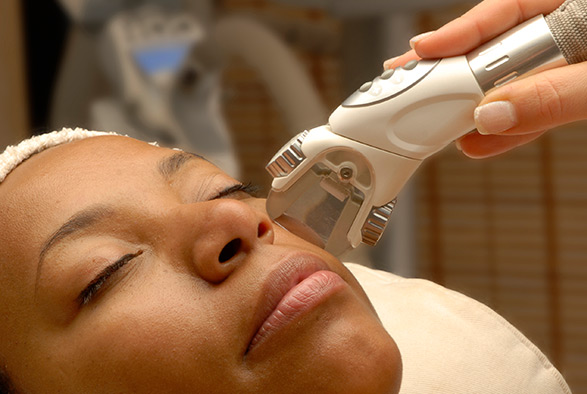
Laser therapy is the most effective broken blood vessels on face treatment on the nose and other areas of the face.
With this, the visible blood vessels are removed by light absorbed by the blood, which destroys the vessel. After some time, the vessel disappears, restoring the skin’s natural appearance.
Lasers allow quick treatment of broken blood vessels without damaging the surrounding skin. For maximum comfort, you may apply topical anesthesia or ice to the vessel before laser treatment. Lasers are safe, producing gradual results.
Large veins may require multiple treatments for improvement. Small veins require a single treatment for complete repair.
Laser treatment has very few side effects. Treatments may result in temporary discoloration of the affected skin, which can last 5-14 days, depending on the location and size of the vessel being treated. Blistering, crusting, or skin redness may also occur but clear within a few days.
After laser treatment, the use of sunscreen on the treated area is recommended for optimum results, promoting healing and enhancing the effects, similar to what you can see in our before and after broken blood vessels treatment results.
FAQs about broken blood vessels
Can broken blood vessels go away on their own?
Whether minor broken blood vessels, also known as spider veins or telangiectasias, will go away on their own is not a simple yes or no answer.
In some instances, particularly if the cause is a mild skin injury or hormonal changes during pregnancy, they may diminish or fade over time. However, once a blood vessel becomes over-dilated and damaged, it often does not return to its original size, and persistent spider veins will not resolve without medical intervention.
For more severe or stubborn cases, or for individuals with ongoing cosmetic concerns, medical treatments like laser therapy are necessary to resolve the issue. PDL VBeam laser treatments effectively target and collapse the damaged capillaries without harming the surrounding tissue.
After a laser procedure, the treated vessels are absorbed by the body, causing the spider veins to fade over time. Multiple treatments may be required for complete resolution, especially for larger or more extensive veins.
How effective is laser treatment?
Laser treatment is highly effective for reducing the appearance of broken blood vessels, particularly for small spider veins on the face and legs. Results are often significant, with some studies showing success rates of over 90% for small facial telangiectasias after treatments.
However, the overall effectiveness can depend on factors like the size and depth of the veins, skin type, and the laser technology used. While laser therapy is excellent for addressing surface-level concerns, it does not treat the underlying cause of broken blood vessels, particularly for leg veins, which may require addressing deeper venous insufficiency.
Because there might be underlying vascular disease, appropriate treatments might involve sclerotherapy, and maintenance sessions may be needed to address new veins that form over time.
Are broken blood vessels a sign of another condition?
For most people, broken blood vessels, or spider veins, are a benign cosmetic issue caused by a variety of factors like genetics, sun exposure, or aging. However, their presence can sometimes indicate an underlying medical condition, especially if they are accompanied by other symptoms.
A dermatologist or vascular specialist can evaluate your skin to determine if further testing is needed to rule out a more serious health concern.
Some conditions linked to the appearance of broken blood vessels include but are not limited to the following:
- Rosacea: A chronic inflammatory skin condition that can cause redness and visible blood vessels on the face.
- Chronic Venous Insufficiency (CVI): When the one-way valves in deeper veins weaken, blood can pool in the legs, leading to increased pressure that can damage and dilate smaller surface vessels. Spider veins can be an early sign of this underlying venous issue.
- Liver Disease: Conditions like cirrhosis can lead to the development of spider angiomas, which are small, spider-like blood vessels that appear on the skin.
- Autoimmune Disorders: Certain autoimmune diseases, such as lupus and scleroderma, can affect blood vessel integrity and lead to visible broken capillaries.
- Vasculitis: An inflammatory condition of the blood vessels, which can cause bleeding or diminished blood flow, potentially affecting the skin.
While broken blood vessels are often harmless, it is important to be aware of the signs that may indicate a more serious condition. You should consult a doctor if you experience symptoms like persistent leg aching or swelling, skin color changes, a sudden increase in spider veins, or if you have a family history of vein disease.
How long does it take to see results after treatment for broken blood vessels?
For some patients, results from laser treatment for broken blood vessels can be seen between two and six weeks after the first session, though several factors influence the ultimate outcome.
The time it takes for results to become fully evident depends on individual characteristics like the size, location, and color of the vessels, as well as the patient’s skin type. A comprehensive consultation with a board-certified dermatologist at Advanced Dermatology P.C. will provide a personalized estimate and help you understand what to expect from laser treatment for your specific case.
While many patients achieve significant improvement after just one treatment, some may require multiple sessions to achieve the desired results. Larger or deeper vessels may take longer to fade and could require additional sessions or a combination of different treatment approaches.
Our experts at Advanced Dermatology P.C. will monitor your progress and make any necessary adjustments to your treatment plan. In some cases, additional follow-up treatments may be needed to maintain results over time and to address any new vessels that form.
Can broken blood vessels come back after laser therapy?
After being successfully treated with laser therapy, broken blood vessels (or spider veins) are permanently eliminated and will not return. The treated vein walls collapse, are reabsorbed by the body, and are permanently removed from circulation.
However, because laser therapy does not prevent new veins from forming, new spider veins can develop in the same general area or elsewhere on the body over time due to a person’s underlying predisposition.
This recurrence is often due to the persistent factors that caused the original broken capillaries, such as genetic predisposition, sun exposure, aging, or hormonal changes. In some cases, particularly with leg spider veins, underlying vein disease is the root cause. If this condition is not also addressed, new spider veins are highly likely to form.