
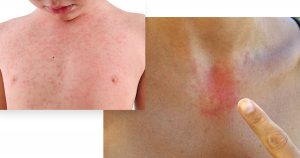
Contact Dermatitis: Causes, Symptoms & Treatment Options
Do you experience contact dermatitis on your face or another part of your body? You’re not alone.
Contact dermatitis is a common skin condition triggered by an allergic reaction or irritation from touching a substance. Whether it’s a rash from a new necklace or redness from cleaning chemicals, it can be frustrating and uncomfortable.
There are two main types: irritant contact dermatitis (caused by direct irritation) and allergic contact dermatitis (caused by an allergic reaction). We can help diagnose the cause and find relief.
Are you ready to get back to comfortable skin? Contact Advanced Dermatology, P.C. today, or keep reading to learn more about contact dermatitis.
What is contact dermatitis?
Contact dermatitis is a dermatological skin condition that arises when your skin comes into contact with a substance that triggers an irritation or allergic reaction. This reaction is a common issue; the culprit could be anything from a new piece of jewelry to harsh chemicals.
Allergic contact dermatitis vs. irritant contact dermatitis
While both fall under the umbrella of contact dermatitis, the underlying cause differs:
Allergic contact dermatitis: This involves an immune system response to an allergen that has touched the skin. It typically develops after repeated exposure, as your body becomes sensitized to the allergen. Examples include nickel in jewelry, fragrances in cosmetics, and poison ivy.
Irritant contact dermatitis: This is a direct skin irritation caused by a harsh substance. It can happen to anyone, regardless of prior exposure. Think of it like rubbing your skin raw – the irritant disrupts the skin’s barrier, leading to inflammation. Common culprits include harsh soaps, detergents, solvents, or excessive friction. Research published by Current Dermatology Reports found that irritant contact dermatitis is more widespread than allergic contact dermatitis.


Common symptoms
A contact dermatitis rash can manifest in various ways, but some common symptoms include:
- Redness: The affected area often appears red, inflamed, and irritated.
- Itching: Intense itching is a hallmark symptom, ranging from mild to severe.
- Dry, cracked skin: The irritated skin can become dry, cracked, and scaly.
- Blisters: In some cases, small, fluid-filled blisters may develop.
- Burning sensation: The affected area might burn or sting.
- Swelling: Depending on the severity, the skin may become swollen and puffy.
The location and severity of symptoms can vary depending on the type of contact dermatitis and the specific irritant or allergen. For example, irritant contact dermatitis often affects the hands, while allergic contact dermatitis can appear anywhere on the body that has come into contact with the allergen.
If you’re experiencing any of these symptoms, it’s essential to consult a dermatologist for a proper diagnosis and to discuss treatment options.
Common triggers
Normal household substances can trigger contact dermatitis outbreaks, including the following:
- Metals: Nickel and others found in jewelry, belt buckles, or clothing snaps.
- Fragrances: In perfumes, colognes, lotions, and skincare products.
- Beauty products: Makeup, skincare products, and nail polish.
- Latex: Found in rubber gloves, condoms, and some medical devices.
- Plants: Poison ivy, oak, and sumac can cause a reaction upon contact.
- Medications: Some topical medications, such as antibiotic ointments or corticosteroids.
- Chemicals: Found in cleaning products, solvents, and various other substances.
Diagnosis and patch testing
Diagnosing contact dermatitis involves clinical assessment and testing to identify the specific allergen or irritant causing the skin reaction.
A dermatologist begins by taking a detailed medical history, including information about recent exposure to potential allergens or irritants. They may inquire about personal and family history of skin conditions or allergies.
A thorough physical examination is conducted to assess the affected skin. The dermatologist examines the rash, blisters, redness, and other symptoms to determine the type and severity of the dermatitis.
Patch testing is a common method to diagnose allergic contact dermatitis. During this test, small quantities of potential allergens are applied to adhesive patches, which are then placed on the patient’s skin, typically on the back. The patches remain in place for 48 hours, and then the patient returns for an evaluation. Any skin reactions observed can help identify the specific allergens responsible.
Skin prick tests are another way to diagnose allergic contact dermatitis. In this test, a diluted allergen solution is applied to the skin, and the dermatologist uses a small lancet to create a tiny prick or scratch on the skin’s surface. Any immediate skin reactions are monitored to identify allergens.
Sometimes, blood tests may be conducted to identify allergic reactions by measuring specific antibodies or immune responses to potential allergens. However, patch testing is often the preferred method for contact dermatitis diagnosis.
An elimination diet may be recommended for dermatitis related to food allergies to identify specific food triggers.
In rare cases, a skin biopsy may rule out other skin conditions or examine the extent of skin damage.
Treatment options
Both allergic contact dermatitis treatment and irritant contact dermatitis treatments focus on managing and alleviating symptoms caused by skin reactions. The approach to treatment can vary depending on the type and severity of the dermatitis.
Some common treatment options include:
- Topical or oral corticosteroids
- Immuno-modulators like tacrolimus (Protopic) and pimecrolimus (Elidel)
- Oral antihistamines like cetirizine (Zyrtec) and loratadine (Claritin)
- Moisturizers and emollients
- Trigger avoidance
- Cool compresses
- Antibiotics
Consult a dermatologist to determine the most appropriate treatment plan for the type and severity of contact dermatitis.
FAQs about contact dermatitis
How can I tell allergic and irritant dermatitis apart?
Telling the difference between allergic and irritant contact dermatitis primarily involves considering the cause, timing of the reaction, and specific symptoms.
While both conditions produce a rash on skin exposed to a triggering substance, the underlying mechanism and presentation differ significantly.
Irritant contact dermatitis is a direct injury to the skin’s surface, whereas allergic contact dermatitis is a delayed, immune-mediated response.
Irritant contact dermatitis can be distinguished from allergic contact dermatitis in the following ways:
- Irritant contact dermatitis onset: There is no characteristic time lapse between exposure and the onset of dermatitis. The reaction’s severity and extent depend directly on the amount of irritant present and the duration of exposure.
- Allergic contact dermatitis onset: The reaction occurs in two phases. The first exposure, or “sensitization” phase, takes 10–14 days. The second exposure, or “elicitation” phase, typically occurs 24–48 hours after re-exposure. Subsequent exposures can cause quicker reactions.
Irritant contact dermatitis is often triggered by the following:
- Soaps and detergents
- Acids or alkalis
- Solvents
- Shampoos
- Cement
- Hair dye
- Rubber gloves
- Weedicides or pesticides
Allergic contact dermatitis is triggered by the following allergens:
- Adhesives
- Topical antibiotics
- Resins
- Clothing
- Fragrances (in perfumes, soaps, cosmetics)
- Cosmetics (nail polish, hair treatments)
- Metals (nickel, chromium)
- Poisonous plants (poison ivy, poison sumac)
- Rubber or latex
Irritant contact dermatitis symptoms
This type of dermatitis is more often associated with burning or stinging, in addition to or instead of itching. The skin may appear rough, dry, and fissured, with redness and inflammation developing with chronic exposure. Pain may also be present, especially if the skin is cracked.
Allergic contact dermatitis symptoms
Allergic reactions are typically very itchy, appearing as reddened papules and rashes. Blistering and oozing lesions may also occur, though ulceration is rare. The rash may also be accompanied by photosensitivity, where exposure to sunlight triggers the allergic reaction.
Will contact dermatitis go away by itself?
Yes, in many cases, mild contact dermatitis will go away on its own once the irritant or allergen is identified and avoided. The rash from irritant contact dermatitis often clears up within a few days of stopping exposure, while allergic contact dermatitis may take 2 to 4 weeks to resolve.
However, if symptoms are severe, widespread, or do not improve after a few weeks of self-care, you should see a dermatologist. The rash can also return if you come into contact with the triggering substance again. In such cases, a professional can offer a diagnosis and prescription treatments to manage the symptoms and prevent future flare-ups.
When should I see a dermatologist?
If you are experiencing uncomfortable symptoms of contact dermatitis or any other skin condition, seeing a dermatologist for a precise diagnosis and treatment plan is the most prudent course of action.
While contact dermatitis is a chronic condition, the board-certified dermatologists at Advanced Dermatology P.C. offer effective interventions that can significantly reduce irritation and manage symptoms. These therapeutics include the following:
- Corticosteroids
- Antibiotics
- Immune suppressing prescription topical ointments
Can stress or anxiety trigger contact dermatitis flare-ups?
Yes, stress can trigger or worsen contact dermatitis, just as it can with all other forms of eczema.
When under stress, the body releases an overabundance of stress hormones like cortisol, which can suppress the immune system and lead to increased inflammation in the skin. This reaction can make your skin more sensitive and reactive to irritants and allergens that it might normally be able to handle.
Furthermore, stress can compromise the skin’s barrier function, which is the body’s first line of defense against irritants, allergens, and infection. This weakened barrier makes it easier for triggering substances to penetrate the skin and cause a reaction.