
Spider Veins: Causes, Symptoms & Treatment Options
What are spider veins?
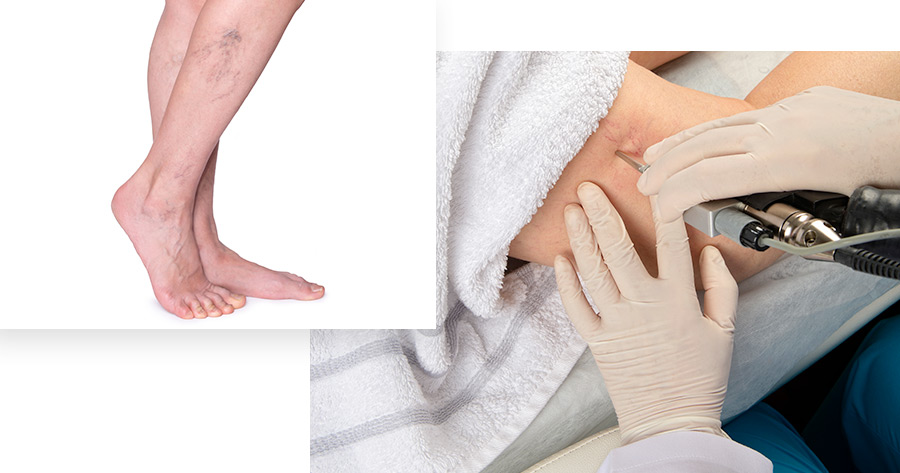
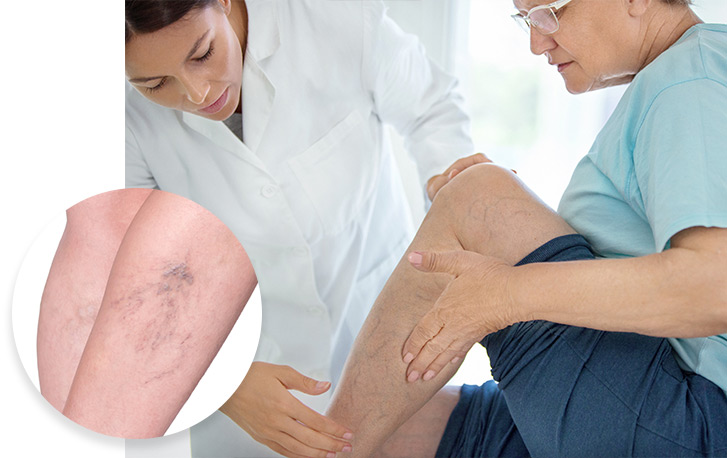
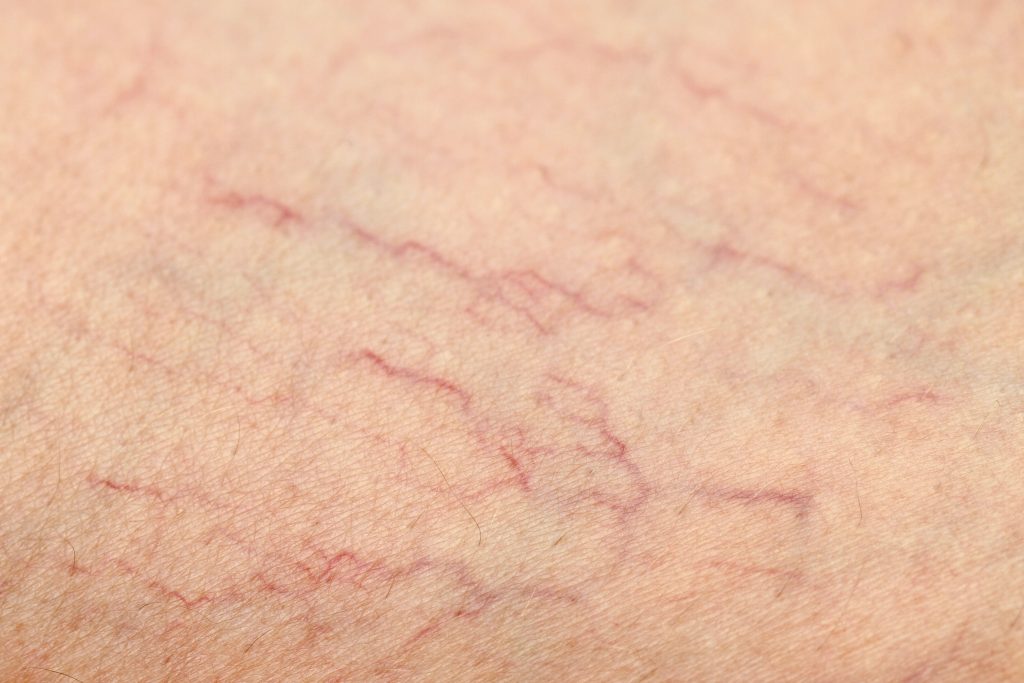
Spider veins, the commonly used name for telangiectasias, are small, damaged veins that present as web-like clusters of red, blue, or purple lines just beneath the surface of the skin.
Unlike varicose veins, which are typically larger, bulging, and twisted, spider veins are smaller and don’t protrude from the skin. They are more prevalent among women and tend to increase in frequency with age.
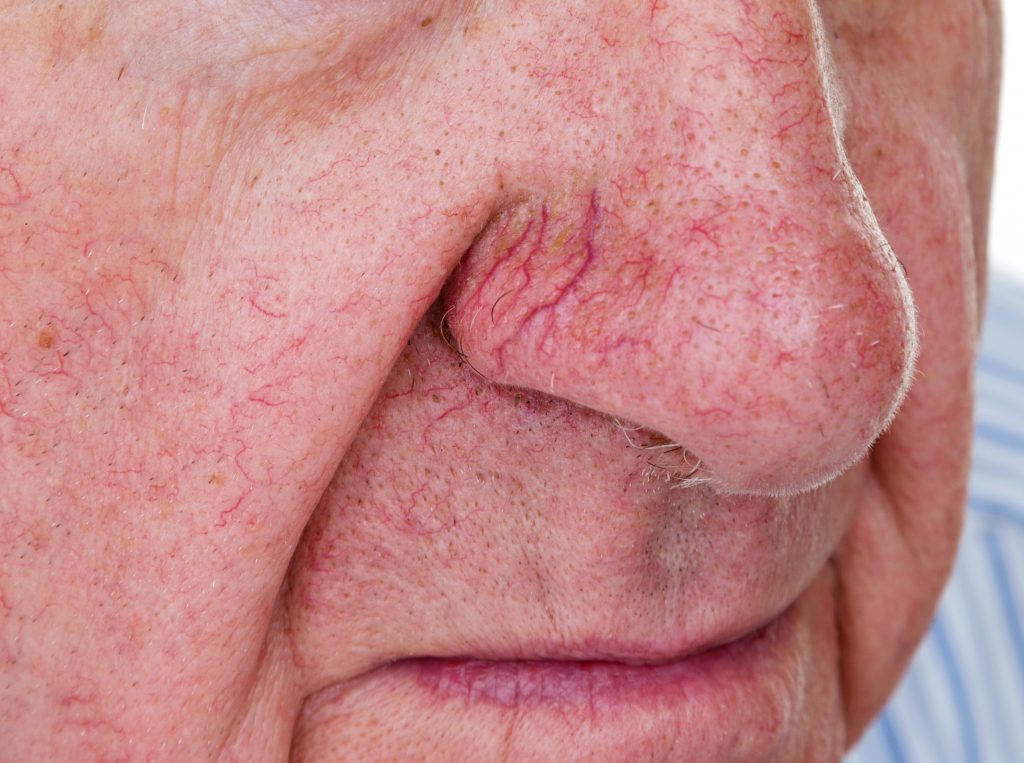
Spider veins are most commonly found on the legs, particularly on the thighs, ankles, and feet, but can also appear on the face and other areas of the body. They are usually a cosmetic concern and rarely cause significant pain or serious health issues.
Causes and risk factors
Spider veins result from damaged or weakened valves within the small veins, allowing blood to backflow and pool, causing them to become visible just under the skin’s surface. However, the cause of spider veins has not yet been agreed upon.
A key factor in the development of leg spider veins is an increase in pressure on the veins, and while they can appear anywhere, they are most common in the legs due to the pressure of standing and walking. These veins are not generally harmful, but their appearance can be a sign of poor venous circulation.
A number of risk factors contribute to the development of spider veins, including the following conditions:
- Genetic predisposition: A family history of spider veins significantly increases your likelihood of developing them, with non-Hispanic Caucasian people having a higher risk.
- Normal aging: As people get older, the valves in their veins can weaken and lose their elasticity, increasing the chance of blood pooling.
- Hormonal fluctuations and changes: Puberty, pregnancy, and menopause can all lead to hormonal shifts that weaken vein walls.
- Sedentary lifestyle or standing for long stretches: Both prolonged sitting and standing increase pressure on the veins in the legs.
- Pregnancy: The increased blood volume and pressure on the leg veins during pregnancy can contribute to their formation.
- Chronic venous insufficiency (CVI): This underlying condition, where veins have trouble sending blood back to the heart, can be a contributor to spider veins.
- Smoking: Being a smoker is commonly associated with the development of venous conditions like spider veins
- Obesity: Obesity is a significant risk factor for lower limb venous diseases that include spider veins.
Symptoms and complications
Spider veins are a cosmetic concern for many, appearing as small, web-like clusters of red, blue, or purple veins just under the skin’s surface, though they can sometimes be accompanied by mild symptoms.
The presence of spider veins can also be a sign of underlying venous issues, such as chronic venous insufficiency, which indicates weakened or damaged valves in the deeper veins that hinder blood flow back to the heart. While untreated spider veins only rarely pose a serious complication risk, the cosmetic appearance can cause distress.
For purely cosmetic concerns, laser treatments are an effective option to minimize the appearance of spider veins. However, since spider veins can be an early indicator of deeper vein problems, it may be advisable to seek an evaluation from a vascular specialist to address any underlying conditions and prevent the formation of new veins after treatment.
A personalized care plan often combines cosmetic procedures with lifestyle adjustments, such as regular exercise, maintaining a healthy weight, and avoiding long periods of sitting or standing.
Spider vein symptoms and indications include the following:
- Web-like appearance: Small clusters of red, blue, or purple veins visible just beneath the skin’s surface.
- Aching or heaviness: Mild discomfort, especially after prolonged standing or sitting.
- Burning or itching: Localized burning or itching sensations can occur, though rarely.
- Swelling: In some cases, spider veins can be accompanied by mild swelling in the legs or ankles, particularly toward the end of the day.
- Muscle cramps: Rare but possible, muscle cramps or a restless feeling in the legs.
- Underlying chronic venous insufficiency (CVI): When linked to this deeper condition, more severe symptoms like leg swelling, skin discoloration, or skin ulcers may appear, though this is rare with spider veins alone.
Dermatologist treatment options
Advanced Dermatology, P.C. offers effective therapies for spider veins including the following:
- Sclerotherapy: Sclerotherapy involves the injection of a liquid or foam sclerosant directly into the affected veins, causing the blood vessel to collapse, seal shut, and eventually be absorbed by the body. This procedure is very effective for larger spider veins and is performed in a dermatologist’s office.
- Laser treatments: Laser treatments use concentrated light energy to target and heat the blood in the unwanted veins, causing them to shrink and fade without damaging the surrounding tissue. These treatments are especially effective for smaller veins, including facial spider veins, where injections may not be the most suitable approach.
- Gemini Laser: The Gemini Laser uses dual wavelengths to target pigment in broken capillaries, causing the vessel to collapse and be processed by the body.
- DermaV Laser: This technology uses specific light wavelengths to target the hemoglobin in blood vessels, causing them to coagulate and fade. Both offer precise, non-invasive treatment with minimal downtime.
Prevention and aftercare
After a spider vein procedure, a crucial part of aftercare often involves wearing compression stockings and elevating the legs to improve circulation and reduce swelling. Following any specific medical guidance from a specialist, such as avoiding hot baths or strenuous exercise, is also essential for optimal healing and preventing complications.
Regular checkups ensure the treated veins are healing properly and that underlying conditions contributing to the veins, like chronic venous insufficiency, are addressed.
Preventing future spider veins involves managing vascular health through targeted lifestyle adjustments. Maintaining a healthy weight, exercising regularly, and incorporating a diet rich in fruits, vegetables, whole grains, and lean proteins are effective strategies for supporting circulation. Consistent physical activity, such as walking, can improve blood flow and muscle tone in the legs.
FAQs about spider veins
Can spider veins go away on their own?
Spider veins are caused by permanently damaged or weakened veins and do not usually resolve on their own without medical intervention.
The exception to this is spider veins that occur during pregnancy, which sometimes become less visible or disappear months after giving birth, though medical treatment may still be necessary for full resolution. In most cases, however, these visible clusters of small, web-like veins will remain or may even worsen over time if left untreated.
For those seeking to remove spider veins, effective medical treatments are available, including laser therapy and sclerotherapy.
Laser treatments use concentrated light to heat and destroy the visible veins, while sclerotherapy involves injecting a solution that causes the veins to collapse and fade. While lifestyle adjustments can help prevent new spider veins from forming, only medical procedures can remove existing ones.
How effective is laser therapy?
Laser therapy is highly effective for spider veins, with endovenous laser ablation for lower limb varicose veins showing success rates of 95% to 100% after six months, according to research cited in the Journal of Lasers in Medical Science.
Pulsed dye laser treatment is also a highly effective and non-invasive option for spider veins, particularly for those that are smaller and more superficial. Many patients experience significant improvement after one to two treatments, but the overall effectiveness depends on several factors.
Consulting a board-certified dermatologist for spider veins ensures the correct laser, such as the PDL VBeam laser, is chosen based on the veins’ size, location, and color. These specialists can also assess underlying issues and determine if combining treatments, such as sclerotherapy with laser therapy, would be most effective.
Are spider veins related to varicose veins?
Spider veins and varicose veins are not necessarily related conditions. While both are caused by weakened valves in the veins that allow blood to pool, they differ in size, appearance, and symptom severity.
Varicose veins are larger, twisted, and bulging, and often appear blue or dark purple, whereas spider veins are much smaller, thinner, and look like a red or blue spider’s web.
Another key distinction is the symptoms and potential complications associated with each. Varicose veins can cause more significant discomfort, including aching pain, heaviness, and swelling, while spider veins are often painless and primarily a cosmetic concern. While spider veins are generally benign, their presence can sometimes be an early indicator of deeper vein problems.
How many spider vein treatments will I need?
The number of spider vein treatments required is highly individual and depends upon a variety of factors that can only be determined through a thorough evaluation by a qualified, board-certified dermatologist. These factors include the number, size, and location of the spider veins, as well as the patient’s overall health and the presence of any underlying venous issues.
A personalized treatment plan is key to achieving the desired outcome. While some patients may achieve satisfactory results with just one or two sessions, others with more extensive or larger veins may require multiple treatments spread out over several weeks or months.
Your dermatologist’s initial consultation will provide the most accurate estimate for the likely number of sessions needed and will help set realistic expectations for the entire process.
Are spider vein treatments covered by insurance?
Spider vein treatments are often only covered by insurance if they are deemed medically necessary, which typically occurs when they are causing symptoms like aching, itching, or pain.
Treatments for spider veins that are considered purely cosmetic, and sought for aesthetic reasons, are generally not covered by your insurance plan. A vein specialist can determine if there is an underlying medical issue, such as venous insufficiency, which can make the treatment eligible for insurance coverage.
The team at Advanced Dermatology, P.C. will be more than happy to help you navigate your insurance coverage and financing options. They can help determine if your treatment qualifies as medically necessary and, if not, discuss flexible payment plans, such as options with Cherry or CareCredit, or using your Health Savings Account (HSA) or Flexible Spending Account (FSA) for payment.