
Eczema: types, symptoms, and treatment at Advanced Dermatology, P.C.
Eczema can be frustrating when you aren’t sure why your skin is itchy, dry or irritated. Because several skin conditions fall under the term eczema, getting the right diagnosis can help you understand your symptoms and find treatment that fits your needs.
At Advanced Dermatology, P.C., our dermatologists can help identify the type of eczema you have and recommend treatment based on your symptoms, skin and medical history.
Here’s what to know about eczema, including its types, symptoms, causes and treatment options.
What is eczema?
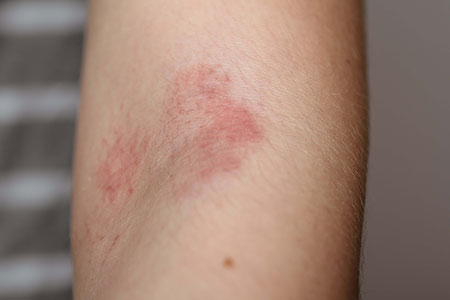
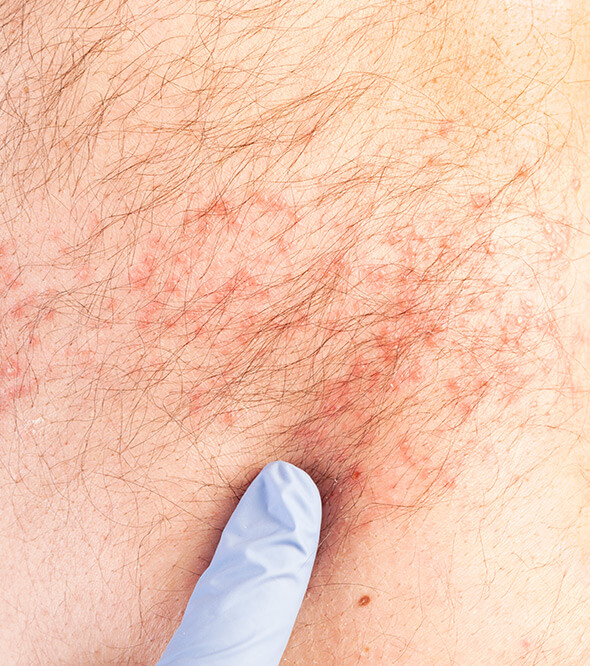
Eczema is a general term for a group of inflammatory skin conditions. These conditions can cause itching, dryness, irritation and changes in the skin. Eczema is not contagious, and it is not caused by poor hygiene.
Atopic dermatitis is the most common type of eczema, but not every case of eczema is atopic dermatitis. Other forms of eczema related to dermatitis conditions include contact dermatitis, dyshidrotic eczema, nummular eczema and seborrheic dermatitis. Each type can have different causes, patterns and treatment needs.
Inflammation and problems with the skin barrier play a role in many forms of eczema. The skin barrier helps keep moisture in and irritants out. When it does not work as well as it should, the skin can become dry and more sensitive. Immune system activity can also contribute to inflammation.
Types of eczema
Eczema is not one condition with one treatment. The type of eczema you have can affect where symptoms appear, what triggers them and which treatments may help.
Atopic dermatitis
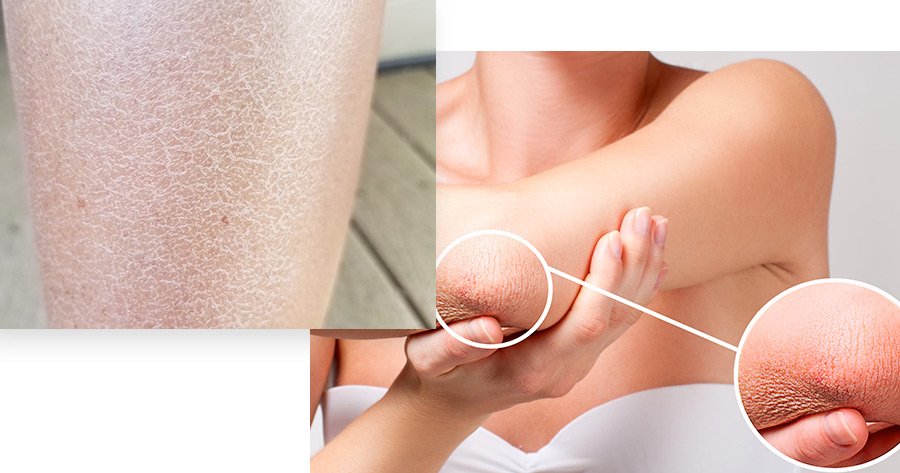
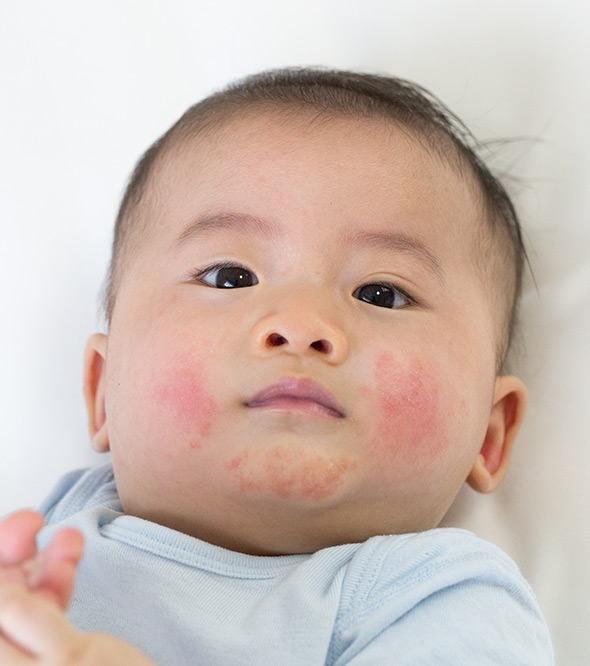
Atopic dermatitis is the most common type of eczema. It can begin in childhood, but it can develop at any age. Symptoms often include dry, itchy and inflamed skin that gets better and worse over time.
Atopic dermatitis is linked to changes in the skin barrier, immune system activity and other factors. Everyday irritants, such as sweat, some fabrics and changes in temperature, may trigger symptoms in some people.
Contact dermatitis
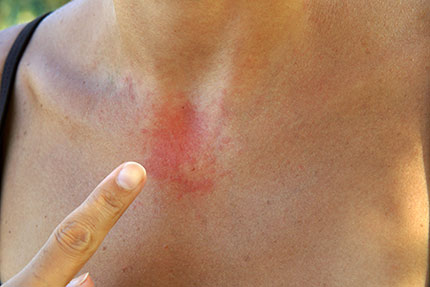
Contact dermatitis is a skin reaction that develops after contact with a substance that irritates the skin or causes an allergic reaction. Symptoms may include redness, itching, swelling, bumps or blisters.
Common triggers can include:
- Fragrances
- Nickel and other metals
- Latex
- Cosmetics and skin care products
- Cleaning products
Depending on the type of reaction, symptoms may develop soon after exposure or take longer to appear.
Seborrheic dermatitis
Seborrheic dermatitis often affects areas with more oil-producing glands, such as the scalp, face and chest. It can cause redness, itching and flaky skin. Flakes may look white or yellow and can sometimes have a greasy appearance.
When seborrheic dermatitis affects the scalp, it may look like dandruff. Although these conditions are related, persistent or severe scalp symptoms may need a dermatologist’s evaluation.
Dyshidrotic eczema
Dyshidrotic eczema causes small, itchy blisters on the palms, fingers and soles of the feet. The blisters can be uncomfortable and may be followed by dry, cracked or peeling skin.
Possible triggers include stress, sweating and contact with certain metals, such as nickel. When the skin cracks, everyday activities can become uncomfortable.
Nummular eczema
Nummular eczema causes round or coin-shaped patches of irritated skin. These spots may be itchy, dry, scaly or inflamed and can last for weeks or longer.
Very dry skin and skin irritation may play a role. Because several skin conditions can cause round or itchy patches, an accurate diagnosis can help guide treatment.
Eczema symptoms
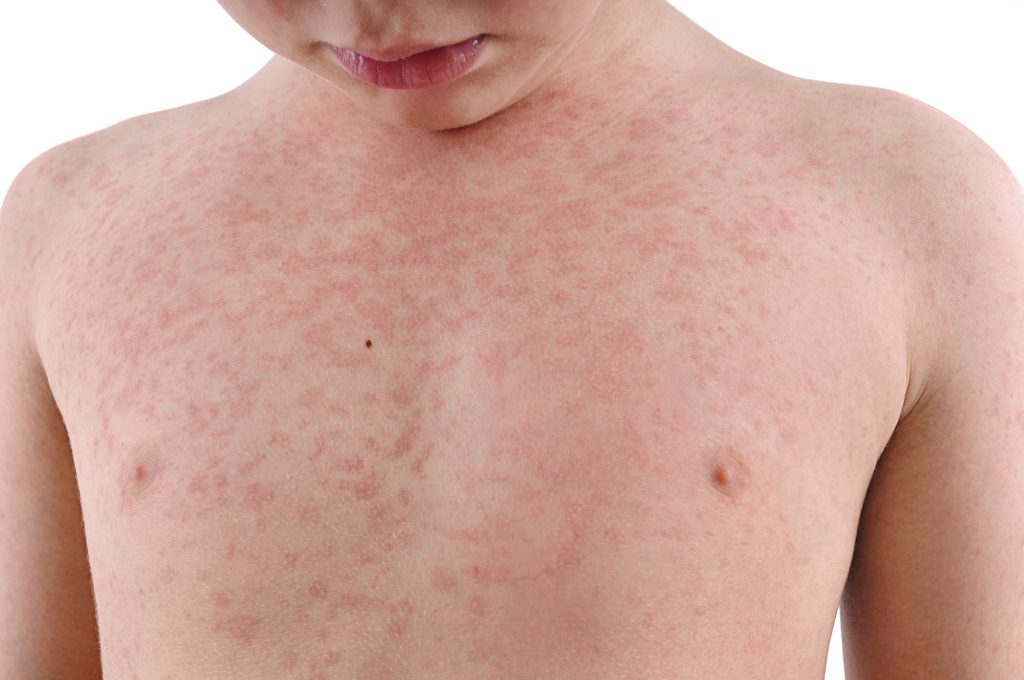
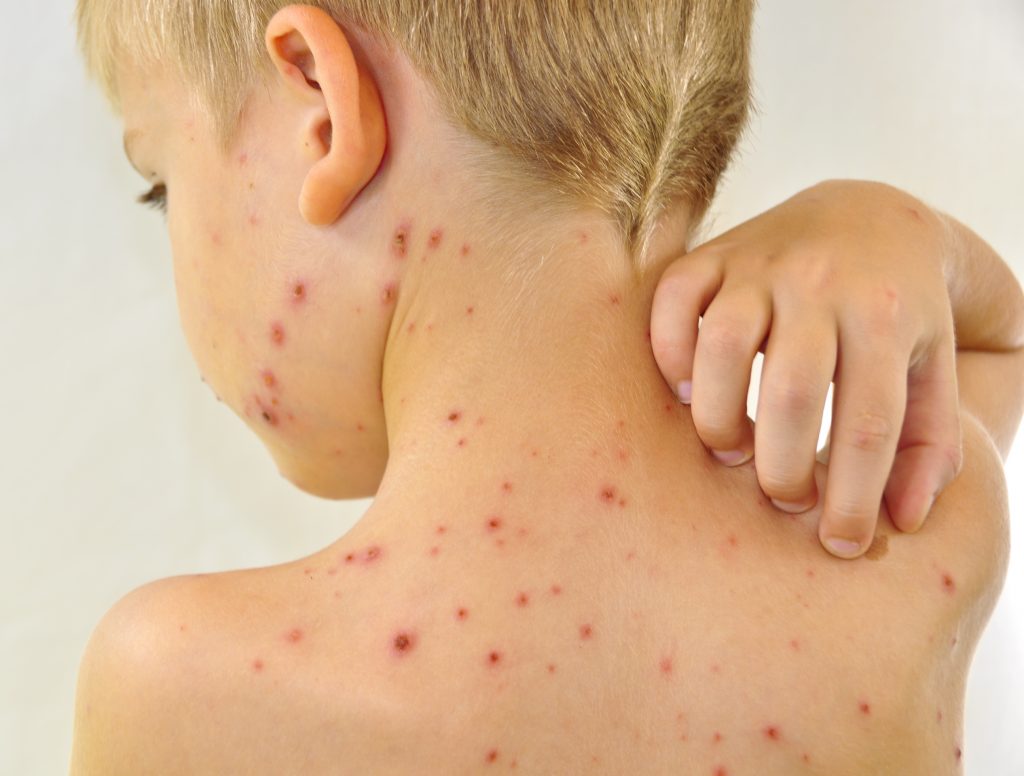
Eczema symptoms can vary based on the type of eczema, your skin tone and where the condition appears. Common symptoms include:
- Intense or persistent itching
- Dry or rough skin
- Red, brown, gray or purple areas of skin
- Swelling
- Cracking or peeling
- Blisters
- Oozing or weeping from irritated skin
Itching is one of the most common symptoms of eczema. For some people, it may be mild. For others, it can become severe enough to interfere with sleep and daily activities. Scratching can also damage the skin and make symptoms worse.
Eczema may look different on different skin tones. On darker skin, redness may be less noticeable, and affected areas may appear brown, gray or purple. Our dermatologists understand that skin conditions can have different appearances and can evaluate symptoms across a range of skin tones.
If you have an unexplained skin rash, keep in mind that not every itchy or irritated patch is eczema. A dermatologist can help determine whether eczema or another skin condition is causing your symptoms.
Causes and triggers
Eczema can involve both the skin barrier and the immune system. When the skin barrier does not work properly, moisture can escape more easily, and irritants may have an easier time getting through the skin. Immune system activity can then contribute to inflammation.
Triggers vary from person to person. Common triggers may include:
- Soaps, fragrances and other skin care products
- Sweat and heat
- Dry air
- Certain fabrics
- Changes in temperature
- Environmental irritants
- Stress
Some people also have allergies that may affect their skin. It can help to pay attention to when your symptoms appear and what you were exposed to beforehand. Keeping a simple symptom diary may help you and your dermatologist identify patterns. However, you do not need to avoid large groups of foods or other everyday items unless a dermatologist or other qualified health care professional recommends it.
Diagnosing eczema
Because several skin conditions can cause itching, dryness or a rash, getting the diagnosis right is an important part of treatment.
At Advanced Dermatology, P.C., a dermatologist will examine your skin and ask about your symptoms and medical history. You may be asked:
- When did your symptoms begin?
- Where do they appear?
- What makes them better or worse?
- Have you noticed any possible triggers?
- What skin care products or medications are you using?
- Have you had similar symptoms before?
Your dermatologist may be able to diagnose eczema based on your skin’s appearance and your medical history. Additional testing may sometimes be helpful when an allergy or another condition is suspected.
For example, patch testing may be used when allergic contact dermatitis is suspected. During patch testing, small amounts of specific allergens are placed on the skin and monitored for a reaction. Identifying an allergen can help you avoid future exposure and guide treatment.
The type and location of your symptoms can also help your dermatologist distinguish between different forms of eczema and other skin conditions.
Treatment options at Advanced Dermatology, P.C.
Eczema treatment depends on the type of eczema you have, the severity of your symptoms and how your skin responds to treatment. The goals are to reduce inflammation, relieve symptoms, protect the skin barrier and help prevent future flares.
Treatment may include:
Topical treatments
Topical medications are applied directly to affected areas of skin. Depending on your condition, these may include medications that reduce inflammation or other treatments that help manage symptoms.
Moisturizers are also an important part of many eczema treatment plans. Regular moisturizing helps support the skin barrier and can reduce dryness.
Systemic treatments
For moderate to severe eczema or eczema that does not improve with topical treatment, a dermatologist may consider oral or injectable medications that work throughout the body. Depending on the type and severity of eczema, your dermatologist may recommend different dermatitis treatment options.
Biologic treatments
Biologic medications target specific parts of the immune system involved in inflammation. They may be an option for some people with moderate to severe atopic dermatitis when other treatments are not enough or are not appropriate.
Treatment decisions should be based on your individual symptoms, medical history and response to previous treatments.
Skin barrier care
Protecting the skin barrier is an important part of managing eczema. Your dermatologist may recommend a regular moisturizing routine and ways to limit exposure to products or conditions that irritate your skin.
Frequently asked questions
Is eczema curable?
There is currently no cure for eczema, but treatment can help control symptoms and reduce flares. Because eczema can change over time, your treatment plan may also need to change as your symptoms change.
A dermatologist can help identify the type of eczema you have and recommend ways to manage it over the long term.
What is the difference between eczema and psoriasis?
Eczema and psoriasis are both inflammatory skin conditions, but they have different features and causes.
Eczema often causes significant itching, dry skin and inflammation. Psoriasis can cause thicker, raised patches covered with scales. The conditions can sometimes look similar, especially when they affect less typical areas of the body.
If you are unsure which condition you have, a dermatologist can examine your skin and determine the most likely cause.
Can eczema spread to other parts of the body?
Eczema is not contagious, so it cannot spread from one person to another.
However, eczema can affect different areas of your own body over time. A new patch does not necessarily mean that the condition is becoming more severe. Different types of eczema also tend to affect different areas.
If your symptoms are changing or spreading, a dermatologist can help determine why.
When should I see a dermatologist for eczema?
Consider seeing a dermatologist if:
- Itching is affecting your sleep or daily activities
- Your skin is cracking, bleeding or weeping
- Symptoms keep returning
- Over-the-counter products are not helping
- You are unsure whether your rash is eczema
- You have signs of a skin infection
- You need help identifying possible triggers
An accurate diagnosis can help you avoid treating the wrong condition and find an approach that fits your skin and symptoms.
Schedule your eczema consultation
Getting the right diagnosis can make it easier to understand your symptoms and find a treatment plan that fits your needs.
Advanced Dermatology, P.C. can help identify the type of eczema you have and recommend treatment based on your symptoms, skin and medical history. With 40+ locations in New York and New Jersey, the practice offers access to dermatology care across the region.
Schedule an appointment to take the next step toward understanding and managing your eczema.