
Personalized Eczema Treatment at Advanced Dermatology P.C.
Types of eczema we treat
At Advanced Dermatology, P.C., our board-certified dermatologists provide individualized treatment plans tailored to the specific forms of eczema each patient experiences. This personalized approach helps patients manage their symptoms effectively and comfortably.
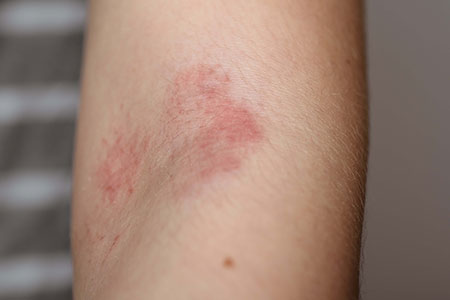
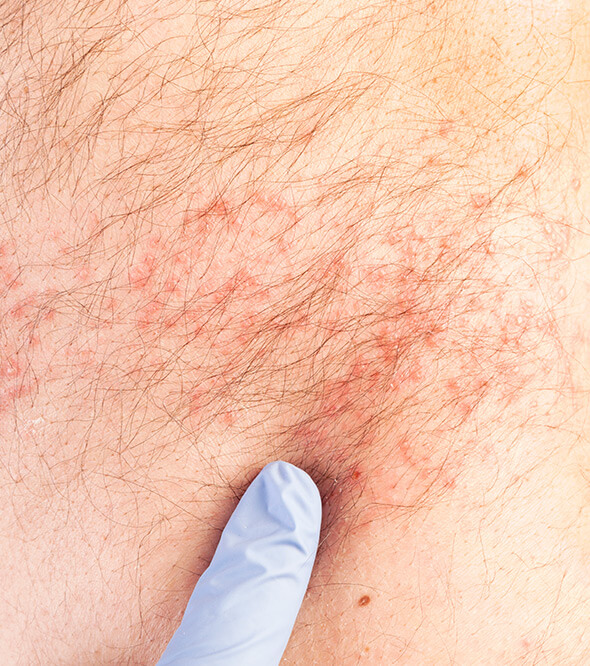
Contact Dermatitis
Contact dermatitis is an inflammation of the skin that occurs after direct contact with a substance that either irritates the skin or triggers an allergic reaction. As one of the seven types of eczema, it features two primary subcategories: irritant contact dermatitis and allergic contact dermatitis.
Allergic contact dermatitis: This variant is a delayed immune system reaction to an allergen, which may take 24 to 48 hours to appear, even if the person has been regularly exposed to the substance for years. Common allergens include nickel, fragrances, cosmetics, and plants such as poison ivy.
Irritant contact dermatitis: This type results from direct damage to the skin’s protective outer layer, often caused by repeated or prolonged exposure to substances like harsh soaps, detergents, solvents, or chemicals. This reaction typically develops quickly, sometimes within minutes of exposure, and can cause burning or stinging sensations in addition to itching.
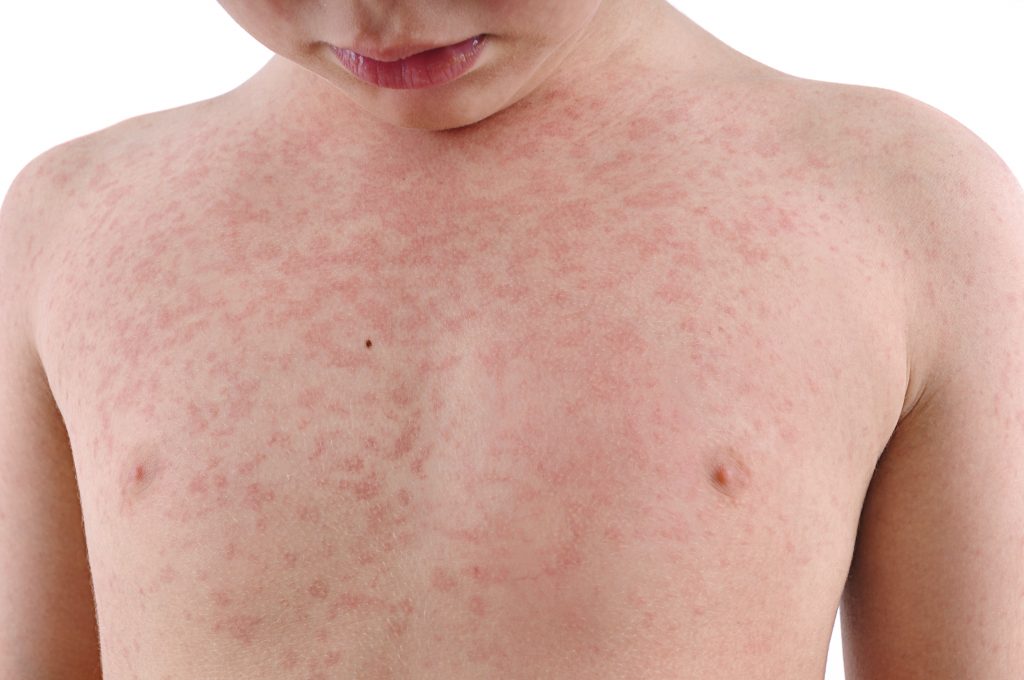
The symptoms of contact dermatitis vary widely depending on the cause, but they consistently involve a skin reaction where the substance touched the skin. Reactions can range from mild redness and swelling to severe blistering and oozing, which can leave the skin vulnerable to infection from scratching.
For both types of contact dermatitis, identifying and avoiding the offending substance is crucial for successful treatment and preventing future reactions, often leading to clearance of the rash within a few weeks.
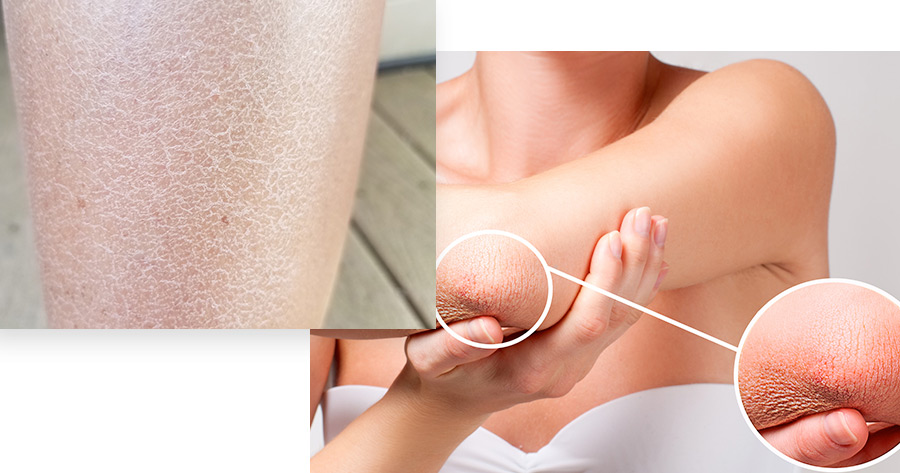
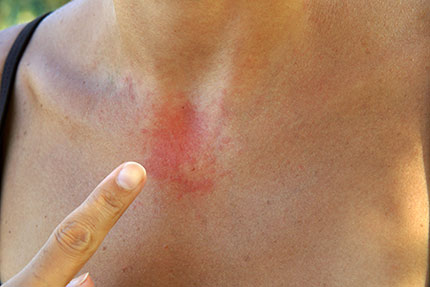
Symptoms of contact dermatitis include the following:
In severe cases, fever and pus oozing from blisters can indicate a secondary infection.
- Red, inflamed rash.
- Itching, which can sometimes be severe.
- Burning or tenderness in the affected area.
- Bumps and blisters, which may sometimes ooze or weep.
- Dry, cracked, or scaly skin, especially with irritant contact dermatitis.
- Fluid-filled blisters that may crust over.
- Leathery patches of skin that are darker than usual, especially on darker skin tones.
- Swelling in the exposed area.
- In severe cases, fever and pus oozing from blisters can indicate a secondary infection.
Seborrheic Dermatitis
Seborrheic dermatitis is a common inflammatory form of eczema that typically affects the scalp but can occur on any area of the body with a high concentration of oil-producing glands. It is often triggered by an overgrowth of a yeast called Malassezia, which is a normal inhabitant of the skin but can cause an inflammatory reaction in some people.
Risk factors for seborrheic dermatitis flare-ups include persistent stress and fatigue, which can exacerbate symptoms. Seasonal changes, particularly cold and dry weather, can also trigger episodes. Additionally, immune system disorders and certain neurological conditions like Parkinson’s disease can significantly increase risk.
Conservative and topical treatment options are often effective in managing seborrheic dermatitis. Antifungal agents are a primary treatment method, including gels, creams, lotions, or shampoos containing ingredients like ketoconazole, selenium sulfide, or zinc pyrithione. Over-the-counter dandruff shampoos are also widely used.
For more persistent or severe cases, a doctor may prescribe topical corticosteroids, such as hydrocortisone, to reduce inflammation. In some instances, a dermatologist might recommend a prescription antifungal medication or calcineurin inhibitors, which have fewer side effects than corticosteroids but are not first-line treatments.
Symptoms of seborrheic dermatitis include the following:
- Dandruff, or flaking skin, on the scalp, hair, eyebrows, mustache, or beard.
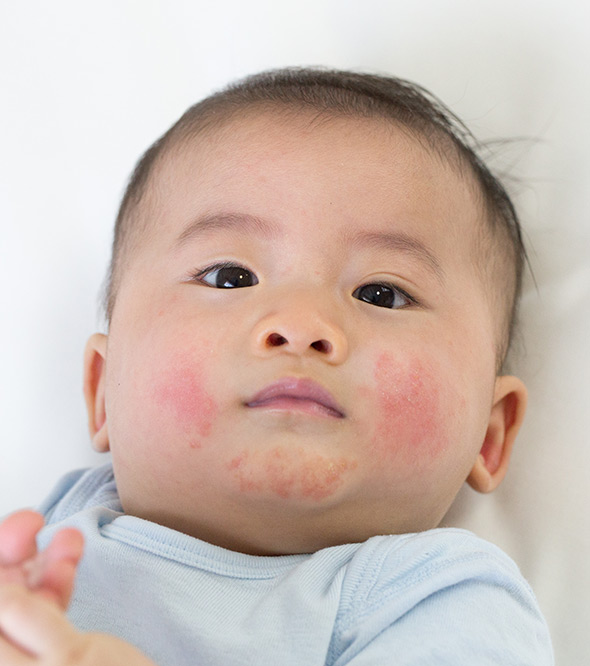
- Greasy, oily patches of skin covered with flaky white or yellow scales or crust.
- Itchiness, which can become more severe if the area is scratched.
- Red or discolored patches of inflamed skin, which may appear darker or lighter on dark skin.
- Patches of greasy skin on the face, scalp, ears, chest, and creases of the nose.
- In rare cases, a ring-shaped rash, especially with a type known as petaloid seborrheic dermatitis.
FAQs about eczema
What triggers eczema flare-ups?
Triggers that can lead to an outbreak of atopic dermatitis, or eczema, are numerous and vary widely among individuals, often involving both environmental and internal factors.
Eczema triggers can either irritate the skin directly or provoke an immune system response that results in an eczema flare. Common triggers include the following:
- Exposure to rough fabrics like wool
- Skin infections
- Heat
- Certain cleaning products, soaps, and detergents
- Mold
- Pollen
- Cold, dry air
- Persistent stress
- Sweat
Identifying personal triggers and taking steps to avoid them is central to managing eczema. Keeping a log of when flare-ups occur can help pinpoint specific irritants or allergens.
While not a complete cure, preventative strategies can significantly reduce the frequency and severity of eczema symptoms, and might include the following:
- Short, warm (not hot) baths or showers using non-irritating cleansers
- Daily moisturizing, especially right after bathing
- Identifying and avoiding personal triggers
- Using moisturizers designed for sensitive skin
- Managing stress
- Wearing soft, breathable fabrics
Is eczema contagious?
Eczema is not contagious and cannot be spread from person to person through any kind of contact. It is a chronic inflammatory skin condition that is believed to be caused by a combination of genetic and environmental factors. A common misperception is that people can get eczema from someone else, even during a flare-up with broken or weeping skin.
Approximately 10% of the U.S. population has some form of eczema, according to the National Eczema Association.
While the exact cause of eczema remains unknown, it is frequently seen in people who also have allergies or asthma. This connection is part of what is sometimes called the “atopic triad,” where these conditions often run together in families. Researchers believe that a weakened skin barrier in those with a genetic predisposition allows irritants and allergens to get into the skin, triggering the inflammatory immune response that results in eczema.
Can eczema be cured permanently?
While there is currently no permanent cure for eczema, the chronic condition can be effectively managed to minimize symptoms and flare-ups.
Management strategies often involve a combination of lifestyle adjustments and topical medications, such as corticosteroids and other medicated creams, depending on the severity of the outbreak. A consistent skincare routine, including daily moisturizing and avoiding known triggers, is also crucial for long-term control.
For people experiencing more severe or persistent outbreaks that do not respond to topical treatments, injectable treatments known as monoclonal antibodies are now available. Patients with severe atopic dermatitis whose symptoms are not adequately controlled by other treatments may be candidates for these therapies.
What are the best treatments for severe eczema?
Severe eczema requires a comprehensive treatment plan tailored to your specific symptoms and health history. A board-certified dermatologist with extensive experience in diagnosing and treating eczema can offer personalized treatment programs based on your history of symptoms, flare-ups, and any potential health issues.
Treatment options for severe eczema include various approaches to manage symptoms and prevent flare-ups.
- Hydrocortisone: A topical corticosteroid used to reduce inflammation and itching.
- Topical prescription medications: Creams and ointments that contain stronger corticosteroids or calcineurin inhibitors to control inflammation and prevent flare-ups.
- Monoclonal antibody injections: Biologic treatments like dupilumab, which target specific immune system proteins to reduce inflammation and improve symptoms.
- Oral prescription medications: Systemic treatments such as corticosteroids, immunosuppressants, or antihistamines to manage severe symptoms and prevent flare-ups.
These treatments are often combined with lifestyle changes and skincare routines to manage eczema effectively. Consulting with a dermatologist ensures a tailored approach to your specific needs.
How can I prevent eczema flare-ups in winter?
Winter can exacerbate eczema symptoms due to the cold, dry air and indoor heating. To prevent flare-ups, it is essential to adopt specific strategies that protect and maintain the skin’s barrier.
Winter-specific strategies for eczema management include the following:
- Keep skin moisturized: Use a thick, fragrance-free moisturizer multiple times a day to lock in moisture and protect the skin barrier.
- Invest in a humidifier: Adding moisture to the air can help prevent dry skin, which is a common trigger for eczema flare-ups.
- Wear sunscreen consistently: Even in winter, UV rays can damage the skin. Applying sunscreen can protect against irritation and flare-ups.
- Avoid wool or rough fabrics: Choose soft, breathable fabrics like cotton to reduce skin irritation and prevent flare-ups.
These strategies, along with regular skincare routines, can help manage eczema effectively during the winter months.