
Your skin is like a photograph. Sometimes, photographs need to be touched up just like your skin needs a touch-up from time to time. Fraxel is the way to touch up your skin in order to give it a livelier and more youthful look. Fraxel can resurface your skin to treat any damage to your skin from a quick touch up to more severe cases with no downtime.
Within 24 hours after a treatment, your skin has already begun the process of healing. In this time you can already start to see the results of Fraxel and your skin looking healthier and more youthful. Feel free to contact our doctors in our offices in Queens, NY, Bergen County, NJ and Long Island, NY for more information about our Fraxel laser.
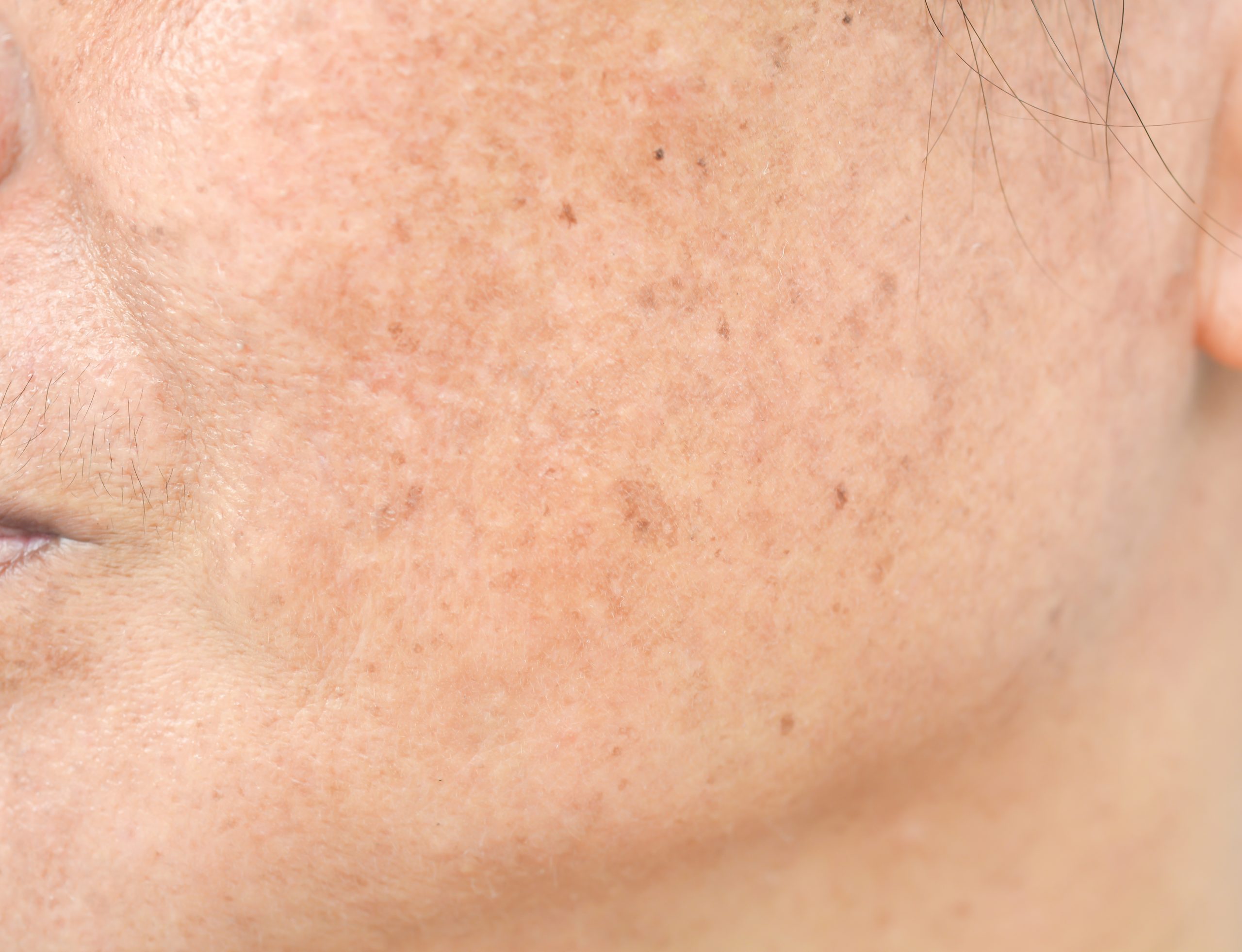
The Fraxel laser has a number of uses.
It is primarily used for laser skin resurfacing to address mild to moderate skin damage (for severe skin damage, see Pixel).
The improvements can be significant depending on the aggressiveness and number of treatments. If any of the following goals are of interest to you, please schedule a consultation with one of our dermatologists specializing in laser treatments.
These procedures range from light treatments to more aggressive options. The Fraxel laser can dramatically improve your complexion by replacing damaged skin with healthy new tissue, helping your skin look smoother, brighter, and more refreshed.
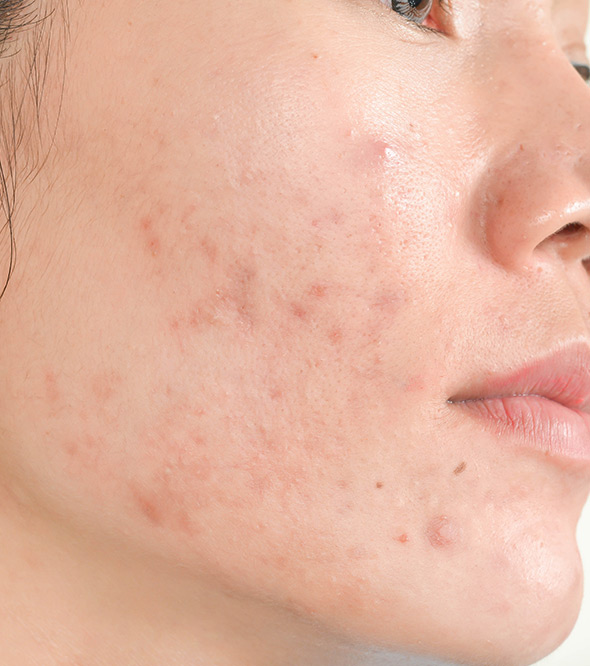
The Fraxel laser works using Fractional Photothermolysis. This process treats only a small portion of the skin at a time, referred to as the microthermal treatment zones (MTZs). Fraxel differs from most other lasers in that it is absorbed by water which is present in all your skin tissue. The Fraxel’s mid-infrared laser wavelength (1550 nm) can penetrate deep into the skin tissue causing a minute sized injury where it will then purge old pigmented skin cells. This only affects the MTZ areas, leaving the surrounding areas untouched by the laser. This allows your skin to heal faster than if the whole area was treated at one time. In fact few if any patients experience downtime from work. The purged old skin makes way for new healthy skin to grow and replace the old skin.

Fraxel lasers come in three types: 1550, 1927, and re:pair. Fraxel 1550 and 1927 (referred to as DUAL 1550/1927) treats mild to severe skin damage. Fraxel re:pair is an ablative procedure that uses a CO2 laser and is used to treat the most severe cases of sun damage. The fractional technology used provides a decreased recovery time compared to non-fractional treatments.

You can see improvement in your skin within a 24 hour period. In that time your skin re-epithelization will have finished. This is the process for one session but three to five sessions are suggested for the best results. For maximum results these treatments should be scheduled about a month apart to allow collagen formation and remodeling. Though results are immediate you will continue to improve over the course of the next three to six months.
Typically in our offices in Long Island, NY, Queens, NY and Bergen County, NJ, we have seen our results last a very long time. For wrinkles and age spots it would depend on how much sun you receive among other factors.

You can resume your daily activities after treatment. There is though a very mild sunburn sensation which can last up to an hour after the procedure. Your skin will acquire a pinkish hue for the next five to seven days, which is a good sign, for it shows that your skin is healing and having a response to treatment. You can still apply make up and other topical creams afterwards and men can shave after a treatment. Swelling could develop but it is usually only minimal and would go down in one to two days.
Other affects may include Bronzing and Flaking.
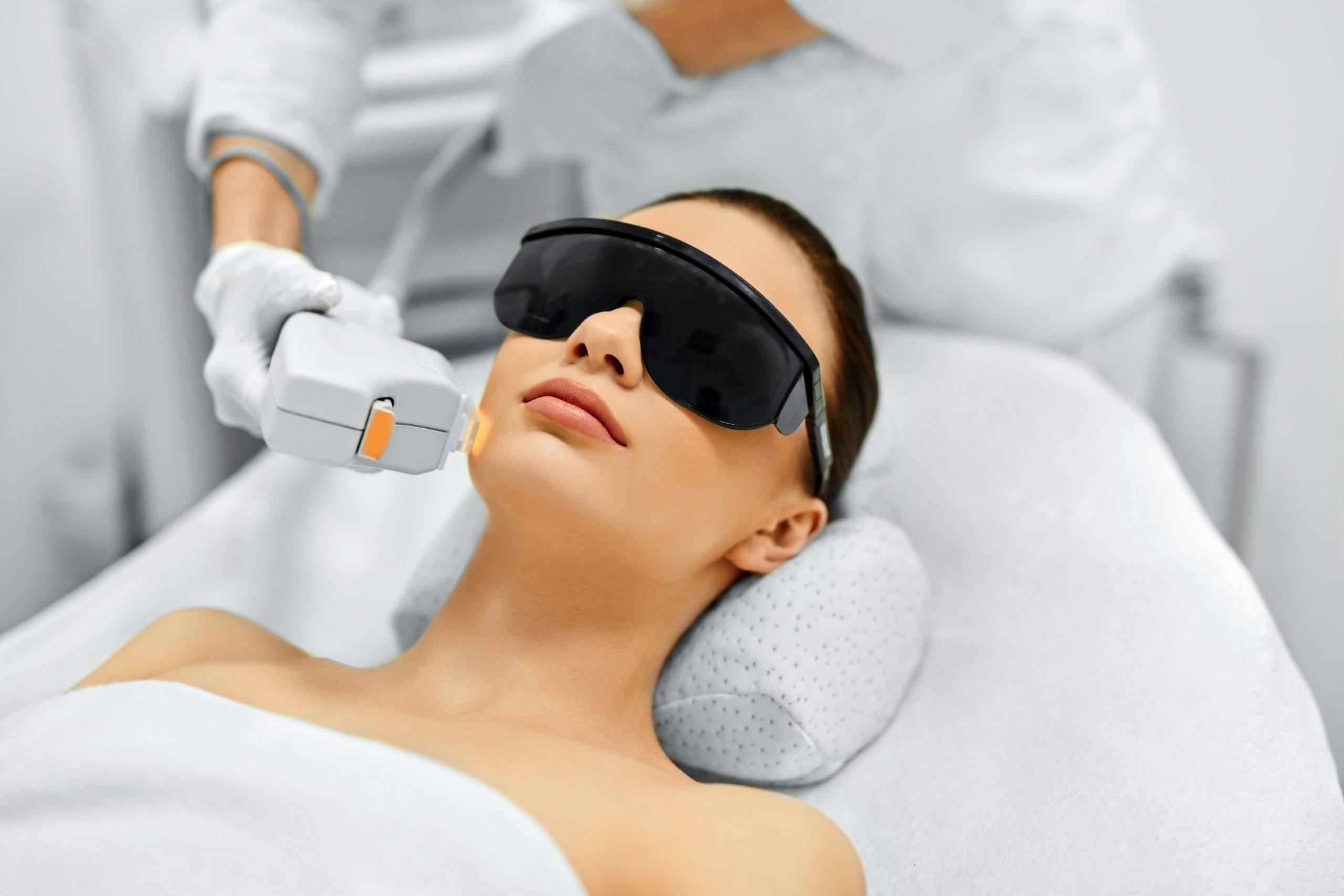
Before a procedure, a consultation is required to discuss appropriate treatment areas, the cost and if you are a good candidate. After that has been decided these four steps will occur.
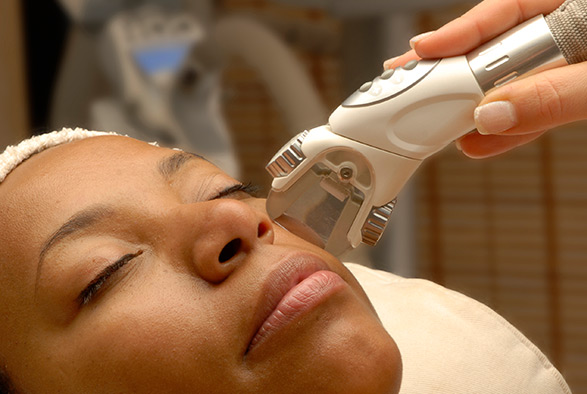
Fraxel 1927 is a newcomer to the Fraxel laser family. It can reduce signs of pigmentation, age spots, wrinkles and large pores. Fraxel 1927 can be utilized in conjunction with the Fraxel 1550 laser or alone for a shorter recovery period.
Fraxel 1927 can treat signs of aging virtually anywhere on the body. During your consultation, your dermatologist will examine your skin to determine whether Fraxel 1927 is the best option for your specific concern.
Fraxel 1927 utilizes microscopic lasers that penetrate beneath the surface of the skin, speedily rebuilding collagen. The lasers target a relatively small portion of tissue without disturbing surrounding areas, stimulating the healing process.
Before your Fraxel 1927 treatment session, your skin will be cleaned and a topical anesthetic will be applied to the treatment area. Once the anesthetic has taken effect, a gel is applied to the treatment area and the laser is passed over the area several times. This is done to ensure even-looking results.
Patients mention experiencing a heated sensation during a Fraxel 1927 treatment session. To maximize comfort, a topical anesthetic is usually applied to the treatment area about an hour beforehand. The exact number of required Fraxel 1927 treatments varies from patient to patient. Your dermatologist will be able to determine the exact number of treatments you will need during your consultation.
After a Fraxel 1927 treatment, regular activities can immediately be resumed. For the first 24 hours, your skin may appear sunburned, and your skin may bronze in the 2 weeks. For best results, wear a sunscreen of at least SPF 30 and minimize your sun exposure for the first 3 months after treatment. The longevity of Fraxel 1927 results varies. For best results, follow all post-treatment instructions, taking extra care to minimize your exposure to the sun.

Only a board-certified dermatologist can determine whether Fraxel is right for you. At Advanced Dermatology, PC, our dermatologists are experts in Fraxel and many other lasers. Contact us today to schedule a consultation and determine which laser is best for your specific concern(s).
The Reliant Fraxel® 1500 Laser has been FDA approved 510(k) since July 2005 for the following skin procedures:
The severity of your skin condition will determine how many treatments are needed. A single treatment can show results, but a series of three to five treatments is usually more effective with more dramatic improvement. Only a thorough consultation plan will help us determine the number of treatments needed for your skin to achieve the results you are looking for.
Yes. The FDA would not allow an unsafe device to be used. In addition there is a built in feature that does not allow the laser to fire unless it is in direct contact with the skin, the special gel, and the laser hand piece is in motion. The Fraxel 1500 boasts an Intelligent Optical Tracking System that will allow and ensure that the laser tracks and self adjusts the speed and consistency of the amount of MTZs produced. This helps prevent over-treatment in any area.
Yes. Fraxel can be used on anyone from fair skin to dark skin. We have also utilized it on people with sensitive skin without problems.
If you desire to have your skin revitalized for any of the reasons we listed above, then you are a candidate. If you have already tried other non ablative treatments and they have not worked, Fraxel might. Fraxel can be a more aggressive treatment for mild to moderate sun damaged skin.
The treatment process can take 15 minutes to an hour depending on the area(s) and condition(s) being treated. If you opt for the anesthetic cream, then you have to allow additional time for it to take effect.
With the anesthetic cream applied beforehand, there should be minimal pain. We have additional techniques to lessen pain for sensitive individuals like cool air, ice, analgesics, etc. Afterward there is a mild sunburn sensation which can last up to an hour. You could also develop swelling but it would be minimal and would resolve itself in one to two days.
Our prices are very competitive and are less than most laser surgeons. The costs can vary depending on your skin condition and the area of treatment. Call today to set up a consultation so we can tell you if Fraxel is right for you. We will also tell you if there are other procedures which can help you. We also offer package discounts for multiple treatments.