
Toenail fungus can lead to thick, discolored nails and discomfort. At Advanced Dermatology, P.C., we offer effective toenail fungus treatment, including topical medications, oral antifungals, and advanced protocols like Genesis laser treatment. Trust our caring team for early diagnosis and lasting relief.

Toenail fungus, known clinically as onychomycosis, is a fungal infection that can affect one or more of your toenails. Since it is visually noticeable in the form of discoloration, toenail fungus is a great source of embarrassment in public situations, causing people to hide their feet in shoes and socks.
Toenail fungus occurs as a result of yeasts, molds, or a fungus called dermatophytes. Fungi typically form in warm, moist environments, such as those provided by shoes and socks. Certain underlying conditions, such as diabetes, may also place individuals at an increased risk of developing toenail fungus.
It’s important to note that tinea versicolor, another type of fungal skin condition, presents differently from nail fungus; tinea versicolor causes discoloration and thick patches on the skin, rather than the nails.
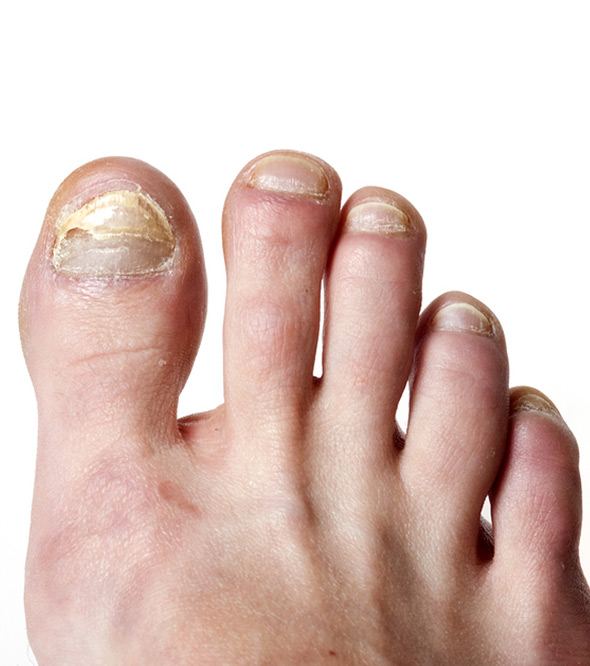
One of the first signs of toenail fungus is a white or yellow dot beneath the nail. While there are multiple classifications of toenail fungus, your toenail may be infected if they are dark, brittle, thickened, or misshapen.
As the fungus progresses, it can lead to further discoloration, crumbling and/or thickening of the nails. In some cases, infected toenails may separate from the nail bed. Kent State University researchers found at least half of all abnormal toenails are mycotic (fungal) in origin.
While toenail fungal infections might seem easy to spot, Harvard Health Publishing notes that several issues can complicate diagnosis. Conditions like psoriasis, nail injuries, or reactions to chemicals in nail polish can mimic toenail fungus symptoms.
The most reliable way to diagnose toenail fungus accurately is through laboratory analysis of nail scrapings, ensuring appropriate treatment and avoiding unnecessary therapies for unrelated nail conditions.
Recognizing toenail fungus early can help prevent complications. Watch for the following symptoms:
Signs that fungal infection of the nails has progressed include the following:

At Advanced Dermatology, P.C., our medical dermatology specialists offer treatment options for toenail fungus that include the following interventions:
The Genesis Plus Laser is a new, minimally invasive method for treating toenail fungus. Two short treatment sessions spaced six weeks apart are typically sufficient for treating toenail fungus.
The Genesis Plus Laser is safe for nearly everyone, including diabetic patients, seeking a solution for nasty toenail fungus. This treatment method is much safer than the once-popular oral anti-fungal medications.
Many patients begin noticing slight results after their first Genesis Plus Laser treatment and report full results within three to six months. It is important to understand that everyone heals at a different rate, so each patient’s results may vary.
Topical fungal nail creams like tavaborole and efinaconazole are prescription options for addressing toenail fungus. Tavaborole is particularly helpful for thick toenails. These medications are most effective for mild-to-moderate infections, delivering antifungal effects directly to the nail with minimal risk of systemic side effects.
Topical treatments might be appropriate for individuals who cannot safely take oral antifungal medications due to preexisting conditions such as liver disease. Because topical creams won’t always penetrate a thick nail, they might not be as effective as other, targeted therapies for advanced infections.
Oral antifungal drugs include prescription medications such as itraconazole. This medication inhibits the fungus, allowing healthy new nail growth to slowly replace the infected portion. Treatment typically lasts up to 12 weeks, with gradual improvement over time.
Oral antifungal therapy may not be as effective for older adults and can cause complications, including liver-related side effects. Careful monitoring is essential throughout treatment.
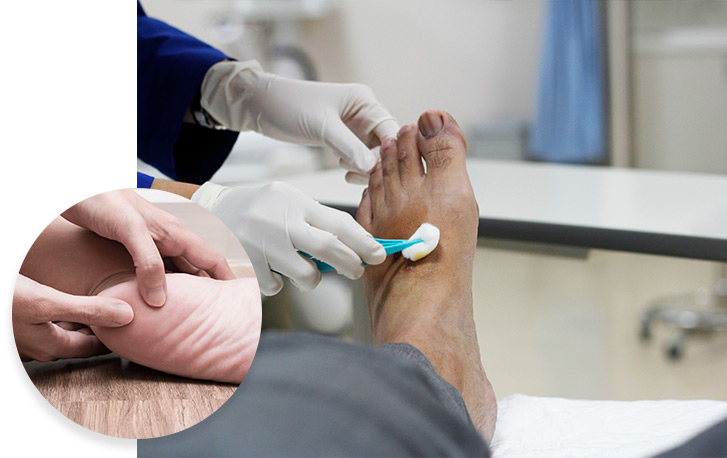
Genesis laser treatments for toenail fungus generally require three sessions for effective clearance. Each session is scheduled about one month apart, allowing the nail time to recover and the therapy to work progressively for optimal results in most cases.
However, the exact number of treatments can vary based on patient needs and infection severity. Some individuals may require additional sessions or different protocols. At Advanced Dermatology, P.C., treatment plans are tailored to ensure the best outcome for each patient.
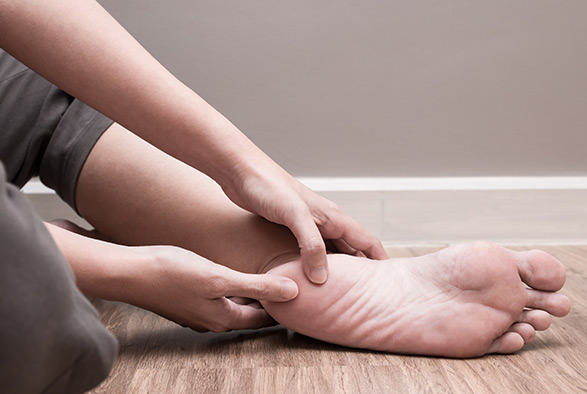
To reduce your risk of toenail fungus, the American Academy of Dermatology Association recommends the following practices:
By following these prevention tips, you can significantly lower your chances of developing toenail fungus and help maintain healthy nails year-round.
Laser treatment for toenail fungus is generally painless. Most patients experience only mild tingling or a warm sensation during the procedure. No anesthesia is needed, and you can return to your normal activities immediately after each session, making laser therapy a convenient and comfortable option.
It can take time to notice improvement after laser treatment. Healthy nail growth is gradual, so visible changes may take approximately 3 to 6 months. Full clearance depends on the severity of the infection and the rate your nails grow, but early signs of improvement are often seen within this timeframe.
Toenail fungus can technically spread to other nails, but spreading from toenails to fingernails is rare. Practicing good hygiene, keeping your nails trimmed, and avoiding sharing nail grooming tools can help minimize the risk of spreading the infection to other nails or people.
Yes, toenail fungus is contagious and can be transmitted through direct contact or by sharing surfaces like locker rooms, public showers, or nail care instruments. Using antifungal sprays, disinfecting footwear, and not sharing personal items are important steps to prevent the spread of the infection.
With successful treatment and healthy nail regrowth, most people notice a significant improvement in the appearance of their nails. Some achieve a completely normal-looking nail, while others may have minor residual changes. Consistent follow-up and care can help optimize your results and maintain nail health.
At Advanced Dermatology, P.C., we specialize in medical and cosmetic dermatology services, featuring cosmetic laser treatments like Genesis laser for effective nail and skin rejuvenation results.
Our compassionate professionals offer same-day appointments at over 40 convenient locations throughout NY, NJ, and CT. Book online and take the first step toward healthier nails today.