
Mohs skin cancer surgery is a specialized procedure that removes cancerous tissue layer by layer while preserving as much healthy skin as possible. With the highest cure rates and minimal scarring, it’s considered the most effective treatment for complex or high-risk skin cancers.
When it comes to treating skin cancer, precision matters. To learn more about Mohs micrographic surgery and whether it’s right for your diagnosis, contact Advanced Dermatology, P.C., or continue reading below.
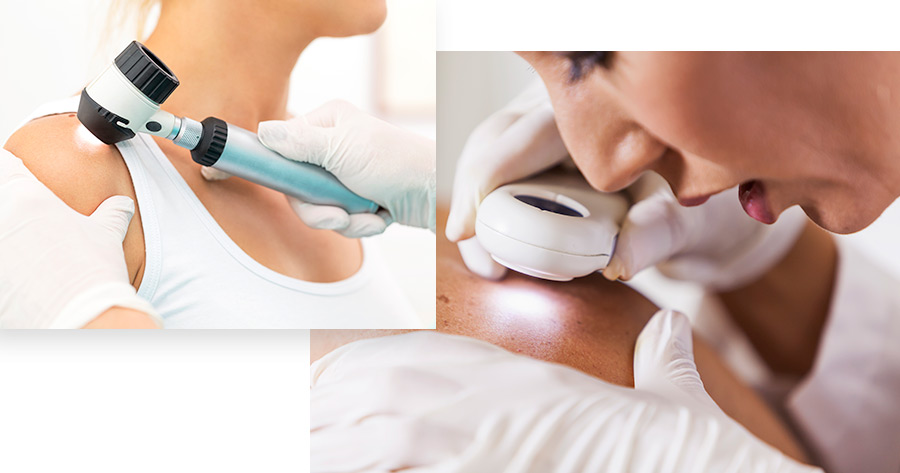
Mohs micrographic surgery is a highly specialized, tissue-sparing technique for removing certain types of skin cancer with precision and accuracy.
Originally developed by Dr. Frederic Mohs while still a medical student and first used in practice in 1936, Mohs surgery allows for the complete excision of cancerous cells while preserving as much healthy skin as possible.
Mohs surgery is recognized by the American Society of Dermatologic Surgery as the most effective skin cancer treatment for basal cell carcinoma and squamous cell carcinoma.
Mohs micrographic surgery is another term for Mohs surgery.
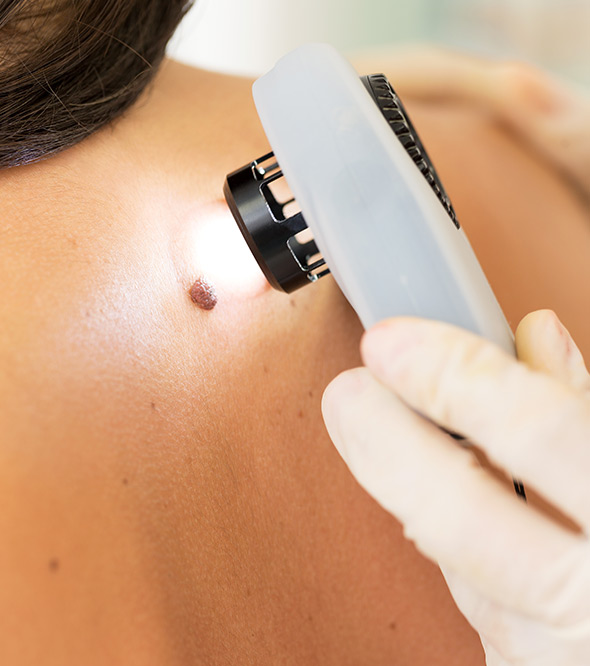
Mohs surgery is considered the gold standard for skin cancer removal because of its high cure rates, tissue-sparing approach, and ability to precisely map and remove cancerous tissue.
By analyzing each layer under a microscope during surgery, dermatologic surgeons can ensure that all cancer cells are eliminated, reducing the risk of recurrence.
Mohs surgery is most often recommended for certain skin cancers that are high-risk or located in cosmetically sensitive or functionally critical areas, such as the face, ears, and hands.
Mohs surgery can be performed for some superficial melanomas (melanoma in situ) or early-stage melanomas, though it is not typically employed for invasive melanomas.
Mohs surgery is highly effective in treating basal and squamous cell carcinomas, especially in areas where preserving healthy tissue is critical, such as the nose, ears, eyelids, lips, fingers, and scalp. It’s also ideal for large, recurrent, or poorly defined tumors.
Mohs surgery is especially effective for basal cell carcinomas with indistinct borders, those that have recurred after previous treatment, or those located in high-risk areas.
Mohs surgery offers unmatched precision and effectiveness in treating skin cancer. By combining surgical expertise with immediate microscopic examination, this technique ensures that all cancerous cells are removed while preserving healthy tissue.
According to the American Society for Mohs Surgery, this procedure offers a cure rate of up to 99% for primary skin cancers and up to 95% for recurrent cases, making it the most effective treatment available for non-melanoma skin cancers.
Only tissue with confirmed cancer cells is removed during Mohs surgery, which helps preserve surrounding healthy skin. This tissue-sparing approach results in smaller wounds and improves the likelihood of a favorable cosmetic outcome, especially important for skin cancer on the face and other visible areas.
The entire procedure is typically completed in a single visit. Each layer of tissue is examined immediately on-site in a specialized lab, eliminating the need for patients to return for additional surgery or wait days for lab results.
Mohs surgery involves detailed microscopic mapping of the tumor margins, which allows dermatologists to identify and remove all cancerous cells with precision.
This thorough process greatly decreases the chance of leaving behind hidden cancer cells, leading to better long-term results.
Mohs surgery is not necessary for every skin cancer diagnosis. It is generally recommended for tumors that are aggressive, recurrent, located in high-risk areas, or have poorly defined borders.
Tumors that have returned after previous treatment or show signs of rapid growth may require Mohs surgery to ensure complete removal and minimize the chance of recurrence.
Mohs is the preferred approach for skin cancers near the eyes, nose, lips, ears, or hands, where both appearance and functionality are critical.
Some skin cancers grow in unpredictable patterns or lack clear edges. Mohs surgery enables the accurate mapping and complete removal of these irregularly shaped tumors.
When tissue preservation is a priority, such as in pediatric cases, patients with limited mobility, or areas requiring maximum skin conservation, Mohs offers a precise and conservative option.
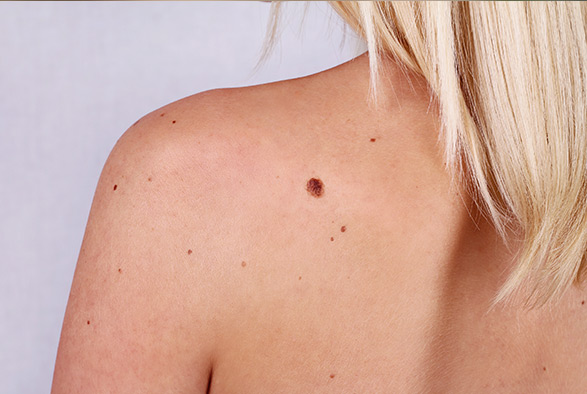
Mohs surgery is performed on an outpatient basis under local anesthesia.
The procedure begins with the dermatologist removing a thin layer of cancerous tissue. That layer is then processed and examined in an on-site lab to determine whether any cancer cells remain.
This process repeats in small stages until no cancer is detected.
Between each stage of Mohs surgery, patients relax comfortably while the tissue is evaluated. Most procedures are completed in a few hours with minimal discomfort and downtime.
Mohs surgery follows a meticulous process of removing cancerous tissue layer by layer and examining each under a microscope until no abnormal cells remain.
Mohs Surgery Procedure Steps Explained
The length of Mohs surgery varies depending on the extent of the cancer, but most procedures take several hours. The process is methodical, ensuring complete cancer removal.
Mohs surgery is typically performed under local anesthesia, so patients often experience minimal discomfort during the procedure. Mild soreness or swelling may occur after surgery, but significant pain is uncommon.
Patients are advised to take the following measures:
On the day of surgery, you’ll check in, review your medical history, and have the surgical area cleaned and numbed. The surgeon will then begin the stepwise removal and examination process, keeping you informed throughout.
Unlike traditional excision, which examines only a small sample of the tissue, Mohs surgery provides complete microscopic control of the entire targeted area. This allows for more precise cancer removal and improved cosmetic outcomes.
Here’s how Mohs compares to other treatment methods:
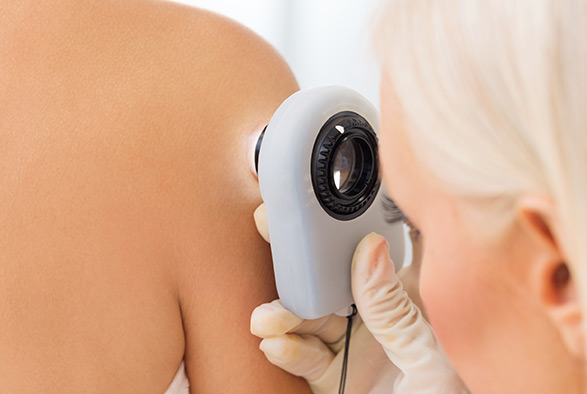
At Advanced Dermatology, P.C., all Mohs surgeries are performed by our team of board-certified dermatologists with advanced fellowship training in Mohs micrographic surgery.
Our team includes experienced Mohs surgeons, certified Mohs technicians, and trained surgical assistants. Every procedure is supported by a CLIA-certified, on-site laboratory, ensuring rapid and accurate results.
Advanced Dermatology, P.C. accepts most major insurance plans for Mohs surgery, including Medicare, PPOs, HMOs, and IPAs.
Our administrative staff is available to verify your benefits and address any questions you may have before your treatment.
The overall cost encompasses the surgical procedure, pathology, and post-operative care. While Mohs surgery can sometimes appear more expensive initially, its high cure rate and lower recurrence mean fewer subsequent treatments.
Yes, Medicare and most insurance plans cover Mohs micrographic surgery for medically necessary skin cancers. Coverage details may vary, so it’s important to confirm with your provider.
After surgery, most patients heal quickly and resume normal activities within a few days.
Follow-up visits are essential for monitoring the surgical site and checking for any new skin cancers. Individuals who have had one skin cancer are more likely to develop another, so routine skin checks and sun protection are essential for prevention.
If you’ve been diagnosed with basal cell carcinoma, squamous cell carcinoma, or another high-risk skin cancer, Mohs surgery may offer the best chance for a full recovery with minimal cosmetic impact.
Our team will help you determine if this highly effective dermatological service is the right fit for your needs. Book a consultation at one of our convenient locations to learn more today.
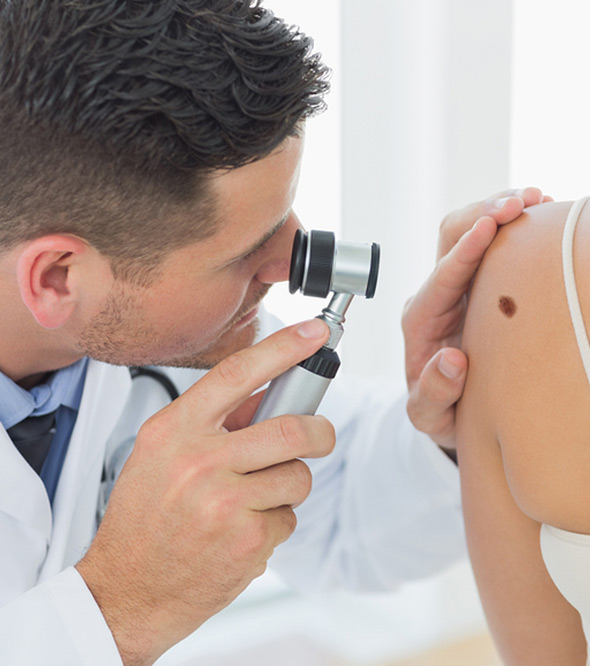
If you have questions or concerns about Mohs micrographic surgery, the answers to the following common Mohs surgery questions might help you better understand the procedure.
Mohs surgery offers the highest cure rates for many types of skin cancer, particularly basal cell carcinoma and squamous cell carcinoma. While Mohs surgery can completely remove the visible cancer, ongoing monitoring is important since there is always a small risk of recurrence. For most patients, Mohs surgery provides a long-lasting cure with minimal chance of the cancer returning.
Mohs surgery is considered the most effective treatment for many skin cancers, especially those in sensitive or high-risk areas. It has higher cure rates and preserves more healthy tissue than standard excision, radiation, or topical treatments. The real-time microscopic examination of tissue during Mohs surgery ensures that all cancerous cells are removed.
Not all dermatologists are trained to perform Mohs surgery. Only board-certified dermatologists with specialized fellowship training in Mohs micrographic surgery are qualified to perform this procedure.
At Advanced Dermatology, P.C., our Mohs surgeons have the expertise and experience necessary to provide the highest quality care.
According to an article in the National Library of Medicine, Mohs surgery boasts cure rates of up to 99% for many primary basal cell and squamous cell carcinomas. The success rate may be slightly lower for recurrent or more aggressive cancers, but it remains higher than most other treatment options. This precision makes Mohs surgery the preferred choice for treating complex or high-risk skin cancers.
When preparing for Mohs surgery, consider asking your surgeon:
How will my long-term follow-up be managed?
Our team at Advanced Dermatology, P.C. is committed to answering all your questions about your unique skin conditions and ensuring you feel confident and informed about your care.