
Contact dermatitis: causes, diagnosis, and expert treatment options
A rash that keeps coming back can be frustrating, especially when you cannot figure out what is causing it. Contact dermatitis happens when your skin reacts to something it touches but finding that trigger is not always easy.
There are two main types of contact dermatitis: irritant contact dermatitis and allergic contact dermatitis. According to the American Academy of Dermatology, contact dermatitis develops when something that touches the skin irritates it or causes an allergic reaction.
Knowing which type you have can help your dermatologist choose the right treatment and help you avoid future flare-ups.
At Advanced Dermatology, P.C., our dermatologists can help identify the cause of your rash, including whether contact dermatitis is responsible, and create a treatment plan based on your skin and symptoms.
What is contact dermatitis?
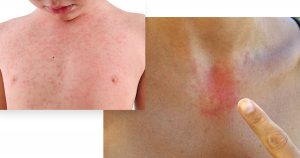
Contact dermatitis is a skin reaction that develops after your skin comes into contact with an irritant or an allergen. It can cause redness, itching, burning, swelling, dryness or blisters. The reaction often develops where your skin touched the substance, although the rash can sometimes appear somewhere else.
Contact dermatitis is different from some other forms of dermatitis because it develops after exposure to an irritant or allergen. The substance may damage the skin directly or cause an allergic reaction.
Contact dermatitis can also look similar to other skin conditions, including eczema. Because several conditions can cause an itchy or irritated rash, a dermatologist can help determine what is causing your symptoms. If you’re unsure what is behind a recurring rash, an evaluation can help identify the likely cause and guide treatment.


Types of contact dermatitis
There are two main types of contact dermatitis. Both can cause an itchy rash, but they develop in different ways.
Irritant contact dermatitis
Irritant contact dermatitis occurs when a substance damages or irritates the skin. It does not require an allergic reaction.
Common irritants include:
- Soaps and detergents
- Cleaning products
- Disinfectants
- Hand sanitizers
- Chemicals
- Frequent exposure to water
- Certain skin care products
Repeated exposure can make the skin dry, cracked and painful. People who frequently wash their hands or work with chemicals may be especially prone to irritant contact dermatitis.
Symptoms can develop relatively quickly after exposure, although the timing can vary depending on the substance and how much exposure occurs.
Allergic contact dermatitis
Allergic contact dermatitis occurs when the immune system reacts to a substance that the body has become sensitive to. The rash may not appear right away. Symptoms can develop hours or even days after exposure, which can make the trigger difficult to identify.
Common allergens include:
- Nickel, often found in jewelry and other metal items
- Fragrances in personal care products
- Preservatives and other skin care ingredients
- Latex
- Poison ivy, poison oak and poison sumac
You can develop an allergy to something you have used for years, so a familiar product is not necessarily ruled out as a possible trigger.
Some people may also develop seborrheic dermatitis or another type of dermatitis that can look similar to contact dermatitis. Identifying the underlying cause is an important part of choosing the right treatment.
Symptoms of contact dermatitis
Contact dermatitis can look different from person to person.
Symptoms may include:
- Intense itching
- Red, discolored or swollen skin
- Burning or stinging
- Dry, cracked or scaly skin
- Tenderness
- Bumps or blisters
- Fluid-filled or oozing blisters
- Crusting after blisters break open
- Thickened skin after repeated exposure
The rash may develop on the hands, face, neck, feet or another area that came into contact with the irritant or allergen. In some cases, the rash can appear somewhere other than the exact place where the substance touched the skin.
If you are unsure whether your symptoms are contact dermatitis or another type of skin allergy, a dermatologist can examine your skin and discuss what may be triggering the reaction.
Common triggers
Contact dermatitis can develop after exposure to many everyday substances. Some triggers are easy to recognize, while others can take more investigation to identify.
Household and personal care products
Common triggers include:
- Soaps and body washes
- Laundry detergents
- Cleaning products
- Fragrances
- Cosmetics
- Hair care products
- Skin care ingredients and preservatives
Even products labeled “natural” or “clean” can contain ingredients that cause contact dermatitis.
Metals
Nickel is a common cause of allergic contact dermatitis. It may be found in:
- Jewelry
- Watches
- Belt buckles
- Cell phones and other everyday items
Plants and environmental exposures
Poison ivy, poison oak and poison sumac contain substances that can cause allergic contact dermatitis. Other plants and environmental exposures can also irritate the skin.
Workplace exposures
Some jobs involve frequent contact with water, chemicals or other substances that can irritate the skin. People who work in health care, food service, construction, cosmetology, manufacturing, agriculture and several other industries may have a higher risk of contact dermatitis.
If your rash appears repeatedly during or after work, tell your dermatologist. Your work environment and daily routines can provide important clues about the cause.
Diagnosis and patch testing
Finding the cause of contact dermatitis starts with a careful look at your symptoms and your daily exposures.
During an evaluation, your dermatologist may ask about:
- When the rash first appeared
- Where it develops
- How long it lasts
- Products you use on your skin
- Medications and other substances you may encounter
- Your work and hobbies
- Whether the rash improves when you avoid certain products or environments
Your dermatologist will also examine the affected skin and consider whether another condition could be causing your symptoms.
If allergic contact dermatitis is suspected, your dermatologist may recommend a patch test. Patch testing places small amounts of potential allergens on the skin, usually on the back, to see whether a delayed allergic reaction develops.
At Advanced Dermatology, P.C., patch testing may help identify an allergen when the cause of a recurring rash is not clear.
Patch testing is different from a skin prick test. Skin prick testing looks for an immediate allergic reaction, while patch testing is designed to identify delayed skin reactions that can occur with allergic contact dermatitis.
Patch testing generally involves several visits. The patches are commonly left in place for about 48 hours, followed by additional readings because some allergic reactions take several days to appear.
Once the trigger is identified, your dermatologist can help you understand where it may be found and how to avoid it. This can be an important part of preventing future reactions.
Treatment options at Advanced Dermatology, P.C.
Treatment for contact dermatitis depends on the type of reaction, how severe it is, where it occurs and what is causing it.
The first step is often to identify and avoid the trigger. Treatment may also include medication and skin care to help calm inflammation and restore the skin barrier.
Advanced Dermatology, P.C. dermatologists can recommend treatment based on your symptoms, the suspected trigger and how your skin responds.
Topical treatments
Your dermatologist may recommend a topical corticosteroid to reduce inflammation, itching and redness. Other topical medications, such as calcineurin inhibitors, may be appropriate in certain cases.
Moisturizers can also help support the skin barrier as it heals. A dermatologist can recommend products based on your symptoms and help you determine which ingredients may be best to avoid.
For more information about dermatitis treatment, including approaches that may help calm inflammation and protect the skin, talk with your dermatologist about what is appropriate for you.
Systemic treatments
For more severe or widespread contact dermatitis, a dermatologist may consider treatment that affects the body more broadly. In some cases, this may include oral corticosteroids or other medications.
Systemic treatment is not appropriate for everyone, and the choice depends on the individual’s symptoms, medical history and suspected cause. Your dermatologist can determine whether you need more than topical treatment.
Avoiding the trigger
Medication can help calm a flare-up, but avoiding the substance that causes the reaction is an important part of long-term management.
If patch testing identifies an allergy, your dermatologist can help you learn how to recognize that substance in products and everyday items. If the trigger is related to work, you may also need to discuss ways to reduce exposure while protecting your skin.
Lifestyle and prevention strategies
Once you know what is causing your contact dermatitis, avoiding the trigger is one of the best ways to prevent another reaction.
You can also help protect your skin by:
- Using fragrance-free products when recommended by your dermatologist
- Moisturizing regularly, especially after washing
- Avoiding products that have caused a reaction in the past
- Wearing appropriate protective gloves when working with known irritants
- Following your dermatologist’s instructions for medications
- Avoiding scratching, which can further damage the skin and increase the risk of infection
If you are not sure which products are safe for your skin, ask your dermatologist for guidance. Keeping a list or photos of the products you use can also help during an evaluation.
If you continue to have unexplained or recurring rashes, a dermatologist can help determine whether contact dermatitis or another skin condition is responsible.
When to see a dermatologist for contact dermatitis
A mild rash may improve after you stop exposure to the suspected trigger. But if a rash keeps returning, does not improve or is difficult to explain, it may be time to see a dermatologist.
Consider scheduling an evaluation if:
- Your rash keeps coming back
- You cannot identify what is causing it
- Your symptoms interfere with sleep or daily activities
- The rash is spreading or becoming more painful
- Your skin is cracking, blistering or developing open areas
- You have tried avoiding suspected triggers without improvement
A dermatologist can also help determine whether the rash is contact dermatitis or another condition that may require different treatment.
If you notice rapidly worsening redness, warmth, swelling, increasing pain or drainage, seek medical evaluation promptly. These symptoms can have several causes, including infection.
Frequently asked questions
Can stress trigger contact dermatitis flare-ups?
Stress does not directly cause contact dermatitis, but it can affect how you experience and manage itching and other skin symptoms. If you notice that your symptoms become harder to manage during stressful periods, talk with your dermatologist about your skin care routine and treatment plan.
The most important step for contact dermatitis is still identifying and avoiding the irritant or allergen responsible for the reaction.
Will contact dermatitis go away by itself?
It can improve when the substance causing the reaction is removed. However, contact dermatitis may return if you continue to encounter the trigger.
If your rash keeps coming back or you cannot identify the cause, a dermatologist can help determine whether contact dermatitis is responsible and whether patch testing may be appropriate.
How can I tell allergic and irritant dermatitis apart?
Irritant contact dermatitis occurs when something directly damages or irritates the skin. Allergic contact dermatitis occurs when the immune system reacts to a substance after you have become sensitized to it.
The timing can provide clues, but it is not always possible to tell the difference based on symptoms alone. A dermatologist can help determine the likely cause and recommend testing when appropriate.
Is contact dermatitis contagious?
No. Contact dermatitis is not contagious. It develops because your skin reacts to an irritant or allergen, so you cannot spread the condition to another person.
What is the difference between eczema and contact dermatitis?
Contact dermatitis develops after exposure to an irritant or allergen. Other forms of eczema, including atopic dermatitis, can have different causes and may involve genetic, immune and skin-barrier factors.
The two conditions can also occur together. If you have a persistent or recurring rash, a dermatologist can help determine what is causing it and recommend appropriate treatment.
Schedule your contact dermatitis evaluation
When a rash keeps coming back, you should not have to keep guessing what is causing it. A dermatologist can help identify possible triggers, determine whether contact dermatitis is the right diagnosis and create a treatment plan to help your skin heal.
Advanced Dermatology, P.C. has 40+ locations across New York and New Jersey, making it easier to find dermatology care close to home.
If you have a recurring or unexplained rash, visit Advanced Dermatology, P.C. to discuss your symptoms and possible treatment options.Book an appointment with Advanced Dermatology, P.C. to take the next step toward identifying the cause of your rash and finding the right treatmen